


Bsal Outbreak Among Fire Salamanders at the Bielefeld Botanical Garden
Julia Bindl
The salamander-killing fungus Bsal, which was introduced from Asia and first discovered in 2013, is responsible for the mass die-off of fire salamanders.
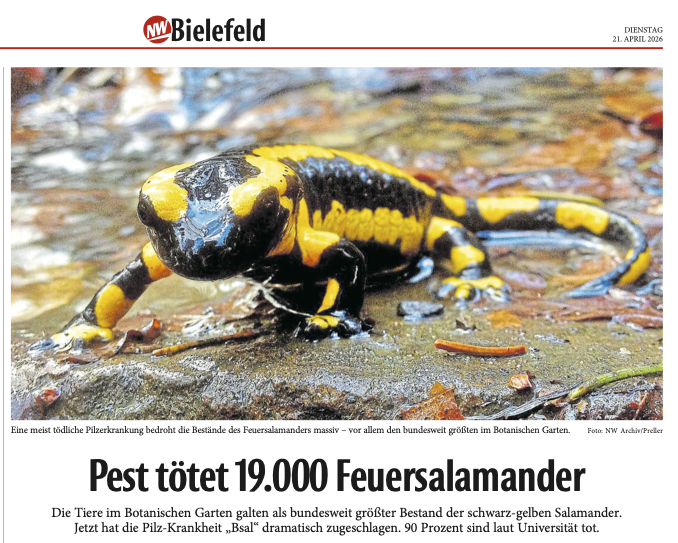
Starting in the tri-border region of the Netherlands, Belgium, and Germany, it has largely wiped out entire populations in the Eifel, the Ruhr region, and the Bergisches Land. According to current knowledge, every fire salamander that becomes infected dies in the wild. The fungus and its spores can survive in the habitat—at least for some time—even without a salamander host. Unfortunately, the fungus continues to spread. By the end of 2025, it had also reached Bielefeld. In and around the Bielefeld Botanical Garden lives one of the largest known fire salamander populations in Germany, estimated at 21,000 individuals, which has also been particularly well studied scientifically. It was precisely there that, in the fall of 2025, several dozen fire salamanders were found dead from the fungal disease. There is no way to treat the disease in the wild. It therefore had to be assumed that even this famous Bielefeld salamander population would be severely affected or completely wiped out within a few years.
90 % fewer animals than last year
Initial population surveys conducted in the spring of 2026 by the University of Bielefeld showed that 90% fewer animals were found compared to previous years. This does not necessarily mean that a mass die-off of this magnitude has already occurred, but it does indicate significant losses, which also seems plausible. Fire salamanders often retreat to communal shelters for hibernation, where large numbers of them spend the cold season huddled closely together—an ideal environment for the fungus to spread, as it is particularly effective at spreading through direct animal-to-animal contact in cooler temperatures. It is therefore possible that a significant portion of the Bielefeld fire salamander population already died during the past winter of 2025–26, and there is reason to fear that further declines will occur. At least, however, healthy adult animals as well as numerous young larvae were still found in the spring of 2026.
Backup through Conservation Breeding
So there is still hope for the fire salamanders in the botanical garden.
It is impossible to predict whether Bsal-infected biotopes will one day be free of the fungus again, whether habitats can be treated against Bsal, whether the fire salamanders will develop resistance to Bsal, or whether there will one day be options for prophylactic treatment or vaccination of the amphibians. For this reason, Citizen Conservation considers it necessary—in accordance with the precautionary principle—to establish fire salamander conservation breeding programs at various locations. This will allow animals that are genetically representative of the original population to be reintroduced at a later date, whether to support affected populations or to reestablish them following a possible complete or near-complete disappearance.
The techniques for the long-term successful husbandry and breeding of fire salamanders across generations are well established. In a feasibility study, Frogs & Friends comprehensively outlined the necessary, manageable effort required for this from a scientific perspective.
An Action Plan for the Bielefeld Fire Salamander
Citizen Conservation, the Wuppertal Zoo, and the University of Bielefeld have therefore jointly proposed an action plan to the City of Bielefeld. This plan includes the following three recommendations:
1) The population in the Bielefeld Botanical Garden is to continue to be closely monitored and studied by Bielefeld University.
2) A reserve population should be established through the targeted collection of approximately 150 larvae and their rearing in human care. Appropriate housing facilities are available for this purpose, including at the Heerser Mühle Environmental Center, at Aqua Purist, in NRW partner zoos and zoos affiliated with the NRW State Zoo Association, as well as through private experts from the East Westphalia-Lippe regional group of the German Society for Herpetology and Terrarium Science (DGHT). Private donors as well as BUND Bielefeld have agreed in advance to contribute to the costs of such a measure.
3) Infected adult animals that come into human care should be treated. The Wuppertal Zoo has the capability to perform professional heat therapy, which can cure infected fire salamanders with a very good chance of success, and is making this treatment available.
Regrettable Rejection
On 3 June 2026, the City of Bielefeld’s Environmental Agency responded to this proposal. Whilst it agrees with and supports point 1), it rejects points 2) and 3). As the fire salamander is a specially protected species under the Federal Nature Conservation Act, the removal of animals, including larvae, is prohibited. An exemption may be granted by the Environmental Agency in justified cases. However, the City of Bielefeld’s Environmental Agency has refused to grant such an exemption. It justifies this, on the one hand, by stating that “the prospects of success for such complex ex-situ measures are entirely uncertain” and, on the other hand, by noting that “in other affected regions, it has been shown that there are populations that survive Bsal, albeit with a reduced population size where applicable”. The letter also states: “Unfortunately, it will have to be accepted that some species will be lost as a result of changes to the natural and cultural landscape.”
The Environment Agency also rejects the treatment of infected animals, pointing out that this carries the risk of spreading the pathogen and that re-release after treatment is unlikely to be successful because the fungus is still present in the habitat. Furthermore, “the integration of treated animals into an existing conservation breeding programme is not recommended, as these animals are mostly individuals that are susceptible to the fungus.”
Citizen Conservation notes the response from the Bielefeld Environmental Agency with regret and considers it misguided with regard to points 2) and 3) mentioned above.
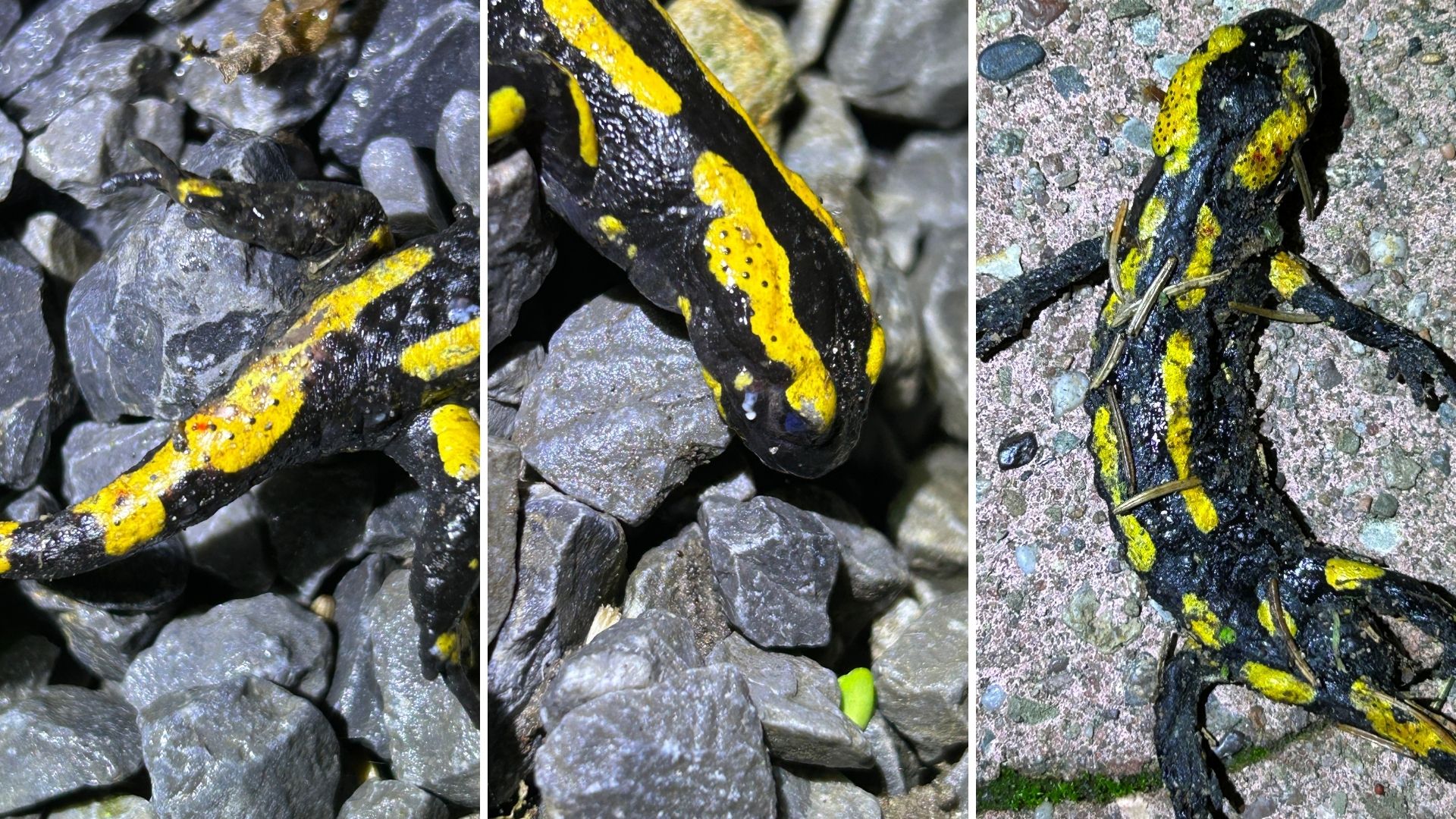
Dead fire salamanders with typical skin lesions in the Bielefeld Botanical Garden
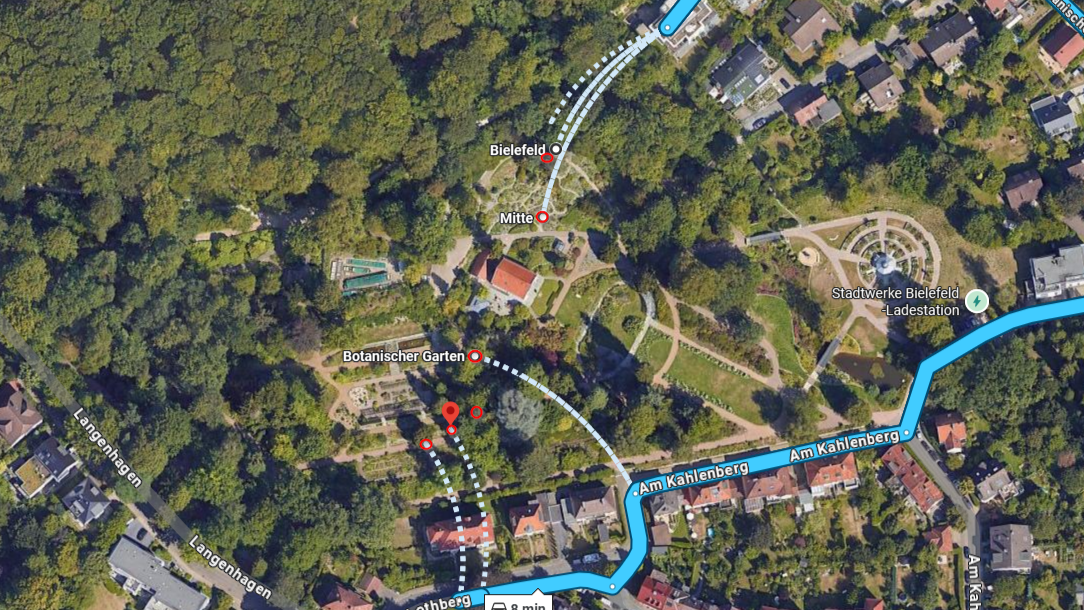
Locations of dead specimens found in the Botanical Garden
Why Ex-Situ Measures Would Be Appropriate
The fire salamander is a species for which the Federal Republic of Germany bears special responsibility. In our view, the statement that species simply become extinct when conditions change does not do justice to this special responsibility.
In its letter, the City of Bielefeld points out that it is making intensive efforts to conserve amphibian habitats. We welcome this, but such efforts are of no use in the face of an invasive fungal disease, because the nature of the problem is entirely different. The fungus strikes even in healthy, undisturbed habitats.
It is true that it remains uncertain at present whether a subsequent reintroduction would be successful should the population become extinct. However, in our view, this cannot be a reason not to at least keep this option open. For once the population has disappeared, it will not even be possible to attempt a reintroduction using animals from this site.
In any case, however, it is certain that population-supporting measures involving the release of bred animals into the wild can have a positive effect on weakened populations. This is all the more true if, through the timely collection of founder animals for reintroduction, animals with high genetic diversity are made available to support a population that may, at a later date, be severely reduced and therefore also genetically impoverished.
Factual Fallacies
The City of Bielefeld’s statement that “in other affected regions, it has been shown that there are populations that survive Bsal, albeit with a reduced population size in some cases” distorts the evidence, because it remains unclear whether populations affected by Bsal are actually viable in the long term. This is because it is not known whether the—in some cases only isolated— —animals that are still found after an outbreak have migrated to the area later, survived by statistical chance, or may actually be able to live with the fungus. At the same time, it is unclear whether these populations—surviving with only a few individuals—will even persist in the long term, given the loss of genetic diversity. It is generally assumed that high genetic diversity helps species adapt to changing environmental conditions, such as those caused by climate change.
According to general expert opinion, the removal of a limited number of larvae has no measurable negative impact on a fire salamander population. Under natural conditions, larval mortality is very high. This is all the more true given that, after their transformation from the larval stage to salamanders, the animals are highly likely to contract Bsal and die. We are therefore convinced that the requirements for an exemption from the collection ban—under the special protection provided by the Federal Nature Conservation Act—are met, meaning there is no legal argument against establishing such a conservation breeding program.
Rather, in our view, the legal question that should be asked is to what extent it is justifiable under animal welfare law to “leave obviously sick animals in place,” as the City of Bielefeld recommends. This question could quickly become relevant if sick fire salamanders are, for example, found and reported by citizens or captured during monitoring activities. The City of Bielefeld’s statement that “integrating treated animals into an existing conservation breeding program is not recommended, as the animals are mostly individuals that are susceptible to the fungus” is factually incorrect. Based on current knowledge, there are no fire salamanders that are not susceptible to the fungus. On the other hand, it has been proven that a complete cure is possible through therapeutic measures when treated properly. There are no scientific concerns regarding the integration of such cured animals into conservation breeding programs.
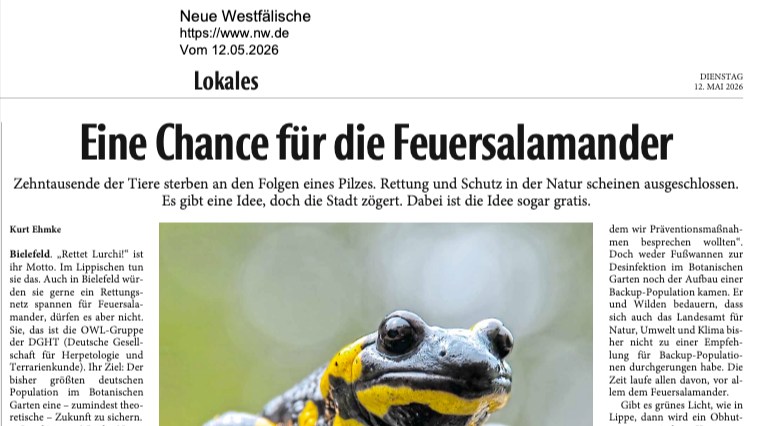
On May 12, 26, the Neue Westfälische reported again on the fire salamanders in Bielefeld and the offer of assistance to the city of Bielefeld
A violation of the Convention on Biological Diversity?
This also raises the question of the extent to which the City of Bielefeld’s position—that “it will unfortunately have to be accepted” that “some species will be lost as a result of changes to the natural and cultural landscape”— can be reconciled with the obligations under the Convention on Biological Diversity (CBD)—ratified by the EU at the 1992 Earth Summit in Rio de Janeiro—as well as Germany’s obligation, as stipulated in the Nature Conservation Act, to protect the country’s biodiversity.
Article 9 of the CBD states that ex situ measures are an integral part of efforts to conserve biodiversity. They are mandatory when deemed appropriate as a supplement to the protection of a species in its natural habitat—all contracting parties, including Germany, have committed to this. This Article 9 is implemented in the EU Zoo Directive, which designates zoos as agents of the state’s obligation to provide ex situ conservation. Zoos, in turn, co-founded Citizen Conservation to effectively carry out this task and, in the case of the Bielefeld fire salamanders, even volunteered to take in animals for a conservation breeding program.
In our opinion, the Lower Nature Conservation Authority (integrated into the Environmental Office of the City of Bielefeld) cannot therefore unilaterally decide to allow a relevant population of an endangered species to become extinct if its survival in its native habitat is no longer guaranteed—which is indisputably the case for the fire salamanders in the Botanical Garden. Precisely this decision is expressly prohibited in Article 9, sections c and d of the CBD. Rather, in our view, the Lower Nature Conservation Authority would be obligated to initiate ex situ measures and corresponding removals from the wild if it itself determines that the Bielefeld fire salamander population—which can certainly be classified as relevant—is endangered.
Nothing to lose
Ex situ conservation breeding provides a proven tool for preserving and propagating members of a population over several generations, thereby ensuring the availability of “genetically authentic” animals for future population-support or reintroduction measures. The removal of founder individuals for such an ex situ conservation breeding program will have no measurable negative impact on the remaining population. A significant portion of the effort required for conservation breeding can be provided through the volunteer work of citizens and institutions such as Citizen Conservation. Furthermore, such a population in human care can yield important scientific insights, including those related to Bsal. From our perspective, therefore, there is nothing against—but a great deal in favor of—undertaking such an attempt.


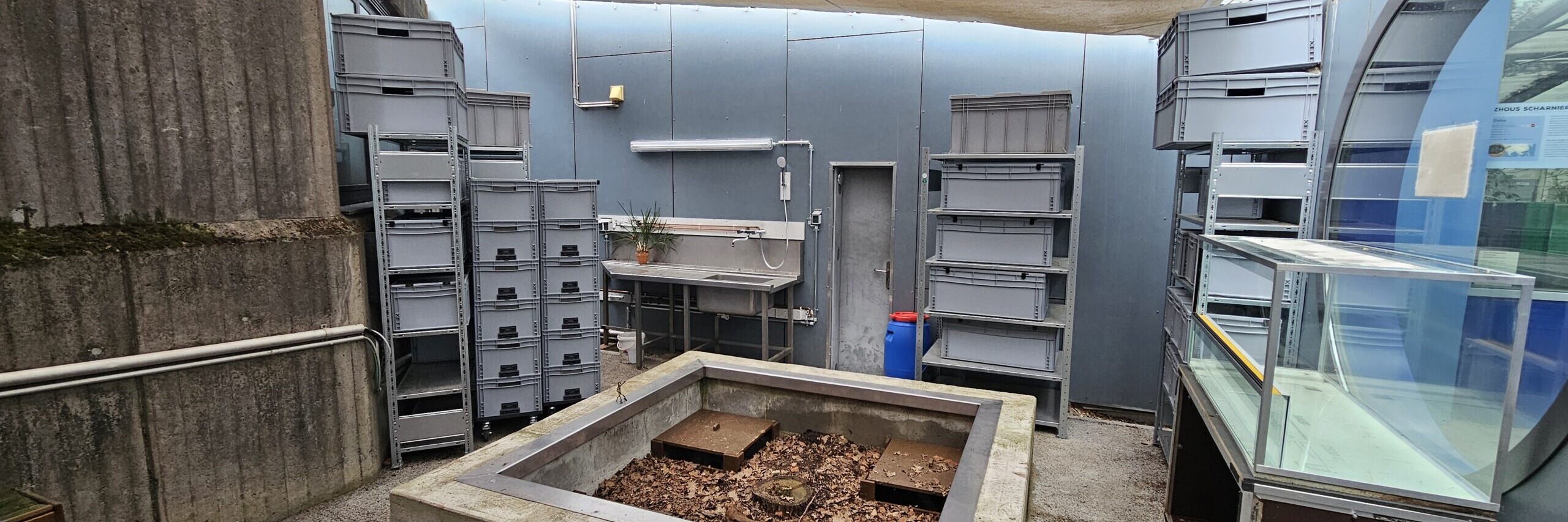

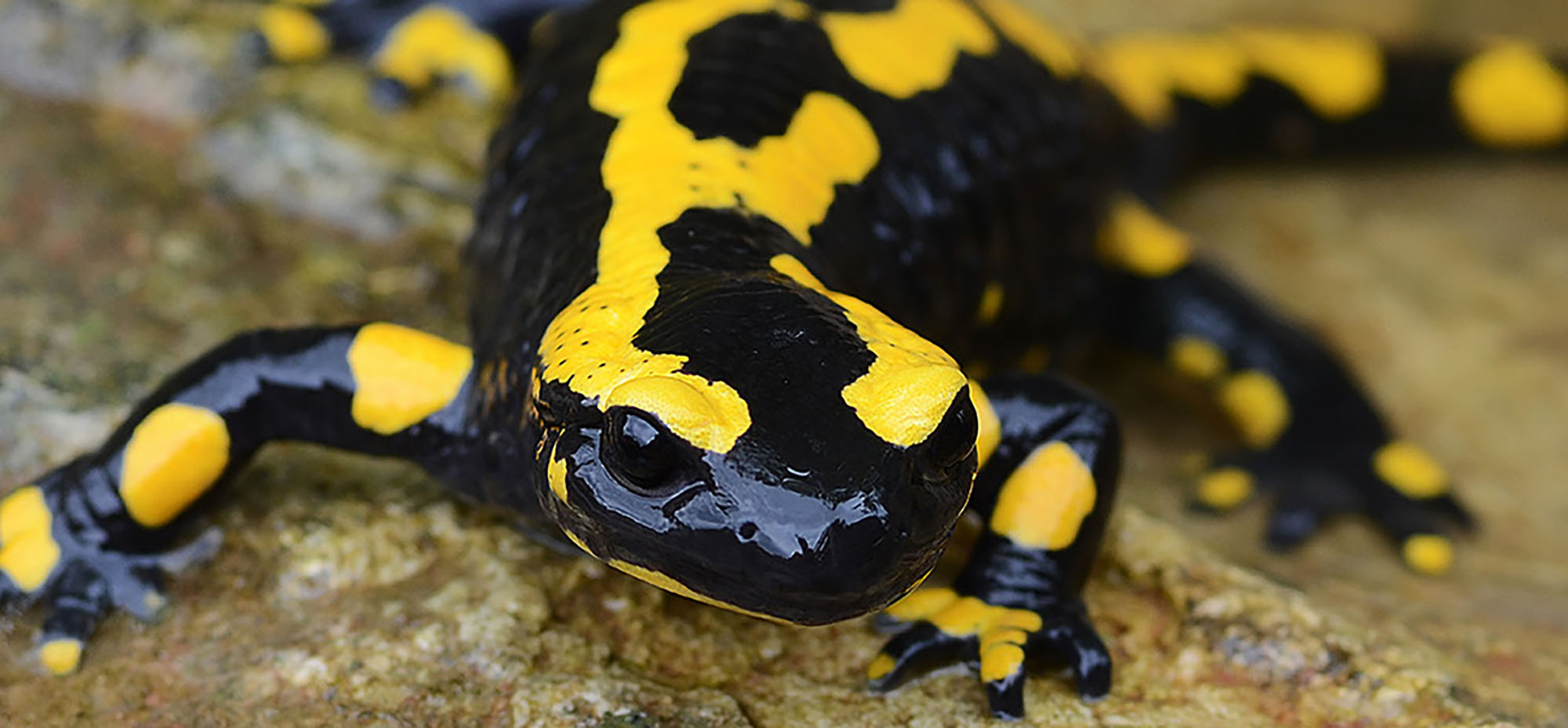
The Future of the Fire Salamander in North Rhine-Westphalia
Julia Bindl
Since April 2025, the NABU North Rhine-Westphalia Regional Association has been working across the state to protect the fire salamander, with funding from the NRW Foundation. The current first phase of the project is focused on conceptual development: the main priorities are building a network, identifying suitable habitats and planning measures. The project complements the existing Bsal regional concept fire salamander conservation plan drawn up by LANUK.
A strong Network
The response to the project has been overwhelming – and the network is growing. Key project partners include the State Forestry and Timber Agency of North Rhine-Westphalia, the North Rhine-Westphalia Forest Farmers’ Association, the North Rhine-Westphalia Association of Municipal Forest Owners and the Umbrella Organisation of Biological Stations in North Rhine-Westphalia. This alliance is supported by biological stations, regional forestry offices, local nature conservation authorities and universities across North Rhine-Westphalia. The involvement of private and municipal forest owners’ associations is of particular importance for nature conservation work in forest ecosystems. Representative project regions are being identified across the state via the network.
On the occasion of ‘Fire Salamander Day’ on 3 September 2025, the project partners signed an initial joint cooperation agreement. Another milestone was a kick-off meeting with the North Rhine-Westphalia Zoo Association on 3 June 2026: numerous zoological institutions from North Rhine-Westphalia have signalled their intention to participate. Plans include, amongst other things, the joint organisation of Fire Salamander Day, the creation of display enclosures and targeted support for local action areas. Further details of this collaboration are currently being finalised.
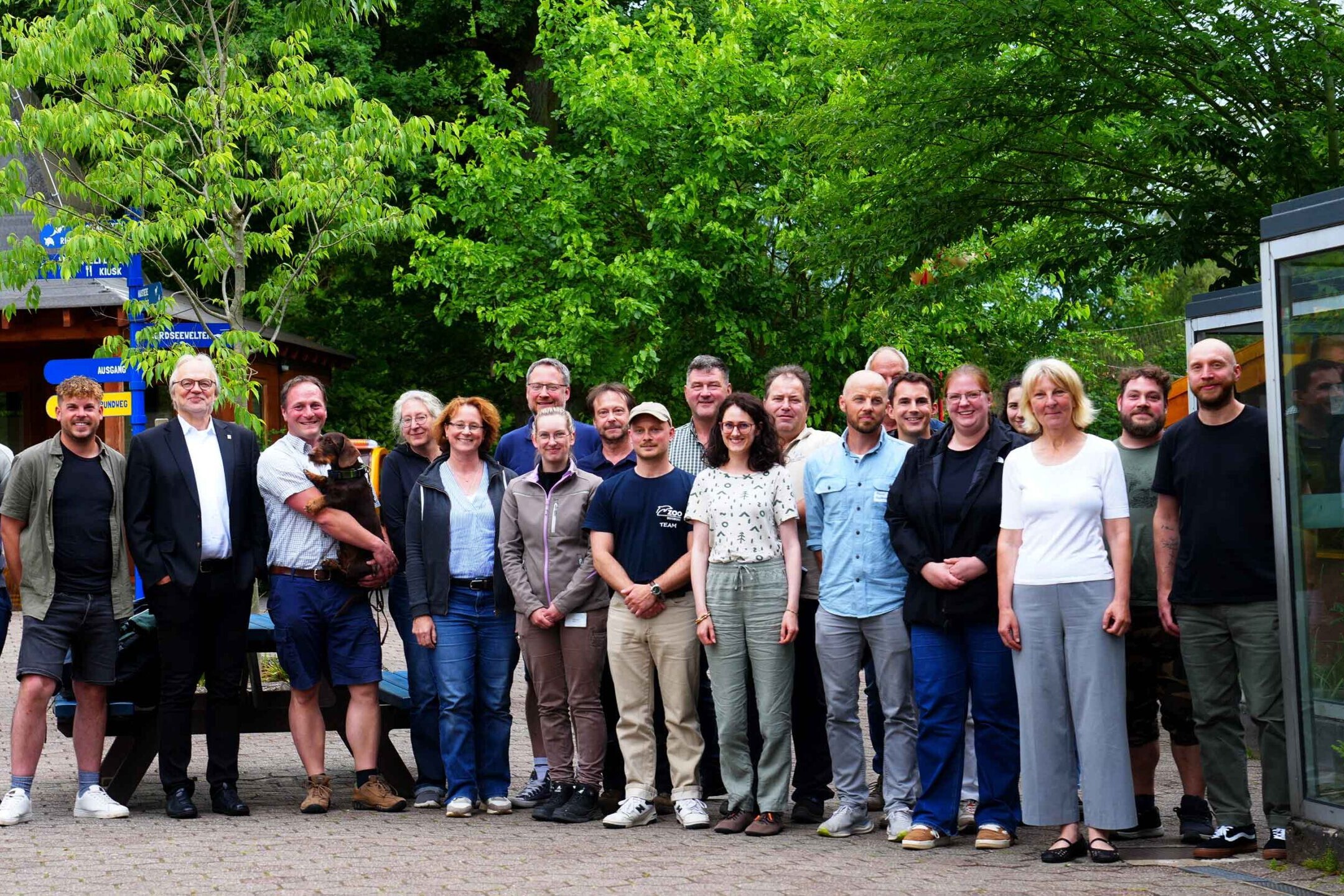
Working together for the fire salamander: NABU NRW and zoological institutions from North Rhine-Westphalia at the kick-off meeting on 3 June 2026 at Bochum Zoo
What's next?
The planning phase will run until the end of 2026. The implementation phase is set to begin in 2027. Physical habitat measures – the creation and restoration of small water bodies, hydrological optimisations, structural improvements to terrestrial habitats, and road safety measures – form the core of the investment. Modules for knowledge transfer, citizen science and education are currently being developed. Public relations, hygiene management and the involvement of volunteers are integral parts of the project.

Parasitological Research on Fire Salamanders in Germany
Julia Bindl
The dynamics of parasite-host interactions represent an aspect of ecosystem research that has recently attracted increasing scientific attention. While parasites were previously studied mainly in the context of veterinary medicine or zoonoses, their consideration as integral components of ecosystems and food webs is now regarded as essential for understanding ecological processes.
Amphibians were among the first vertebrates to be examined for their parasites; however, such investigations have largely declined in recent decades, particularly in the context of the ongoing global amphibian decline. Collecting a sufficient number of host specimens is now often impossible without jeopardizing populations or conflicting with conservation measures. Consequently, a knowledge gap has emerged in Europe regarding amphibian parasitology. This gap is characterized by outdated taxonomy, a lack of molecular data, and insufficient knowledge of intermediate hosts, leaving the field behind studies on other freshwater organisms. Amphibians, however, serve as important definitive and intermediate hosts for a wide range of parasites, especially parasitic worms (helminths), and often form an ecological bridge between aquatic and terrestrial habitats.
With the new threat posed by chytrid fungi and the advent of non-invasive and molecular methods for monitoring organisms, interest in amphibian parasitology has been rekindled. The parasite fauna of the fire salamander (Salamandra salamandra), has so far been investigated only sporadically, often based on few individuals from isolated populations. Studies of wild populations in Germany date back primarily to the early 20th century. Considering the species’ wide distribution, unique life history, numerous subspecies, and isolated populations, a comprehensive study of its parasite fauna would be of great scientific interest.
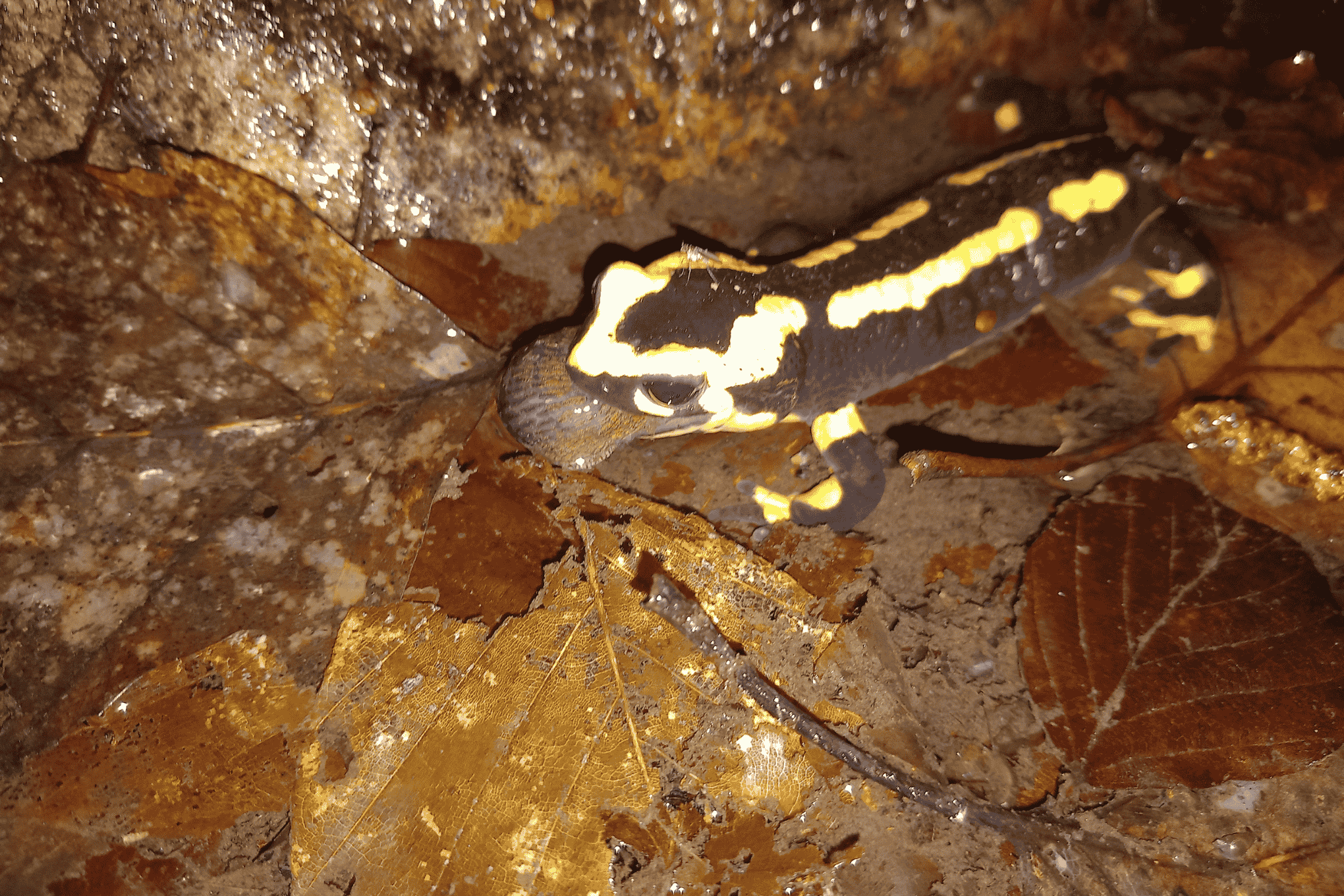
Fire Salamander with potential vectors of infection (mosquitoes, snails).
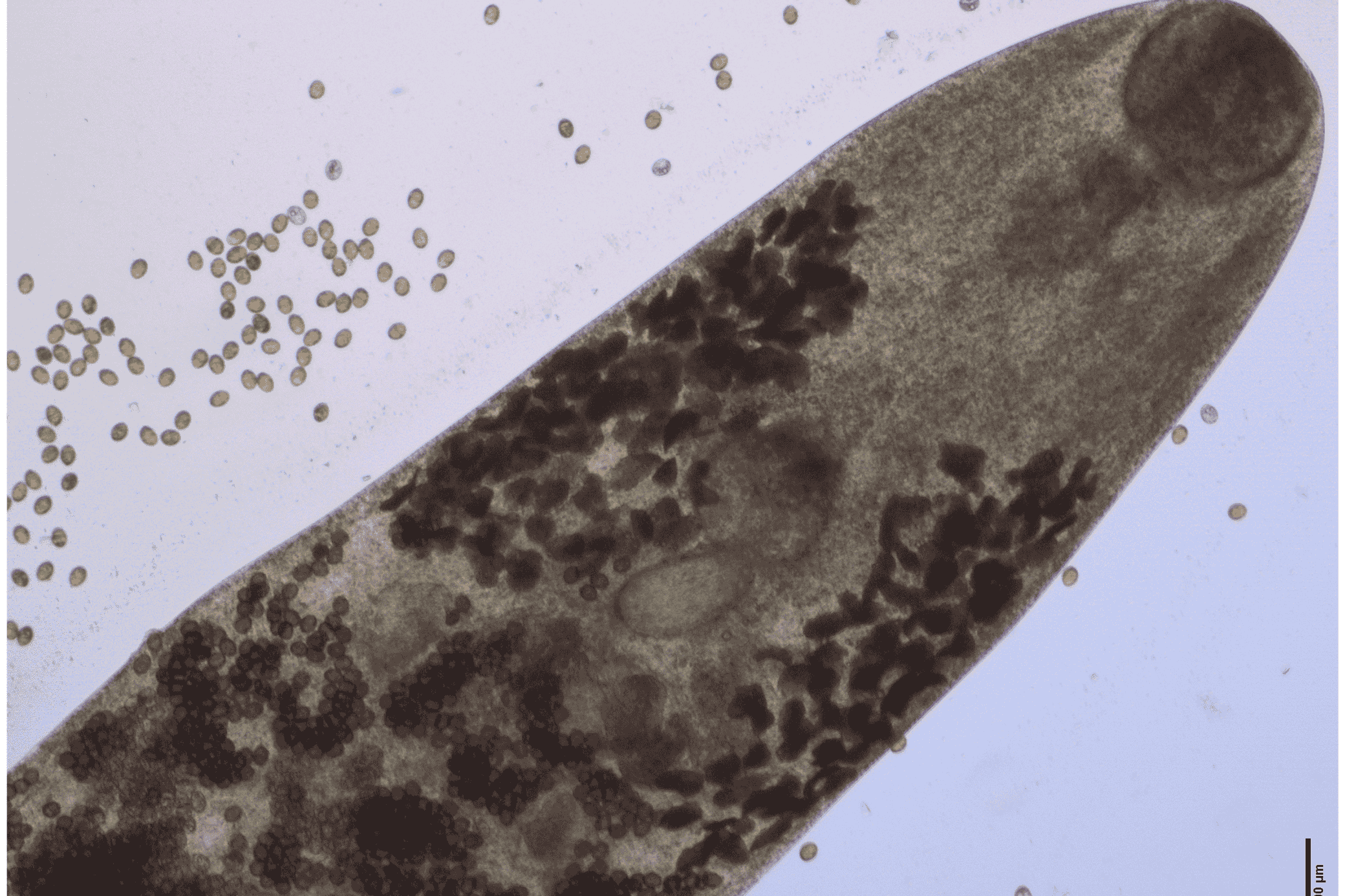
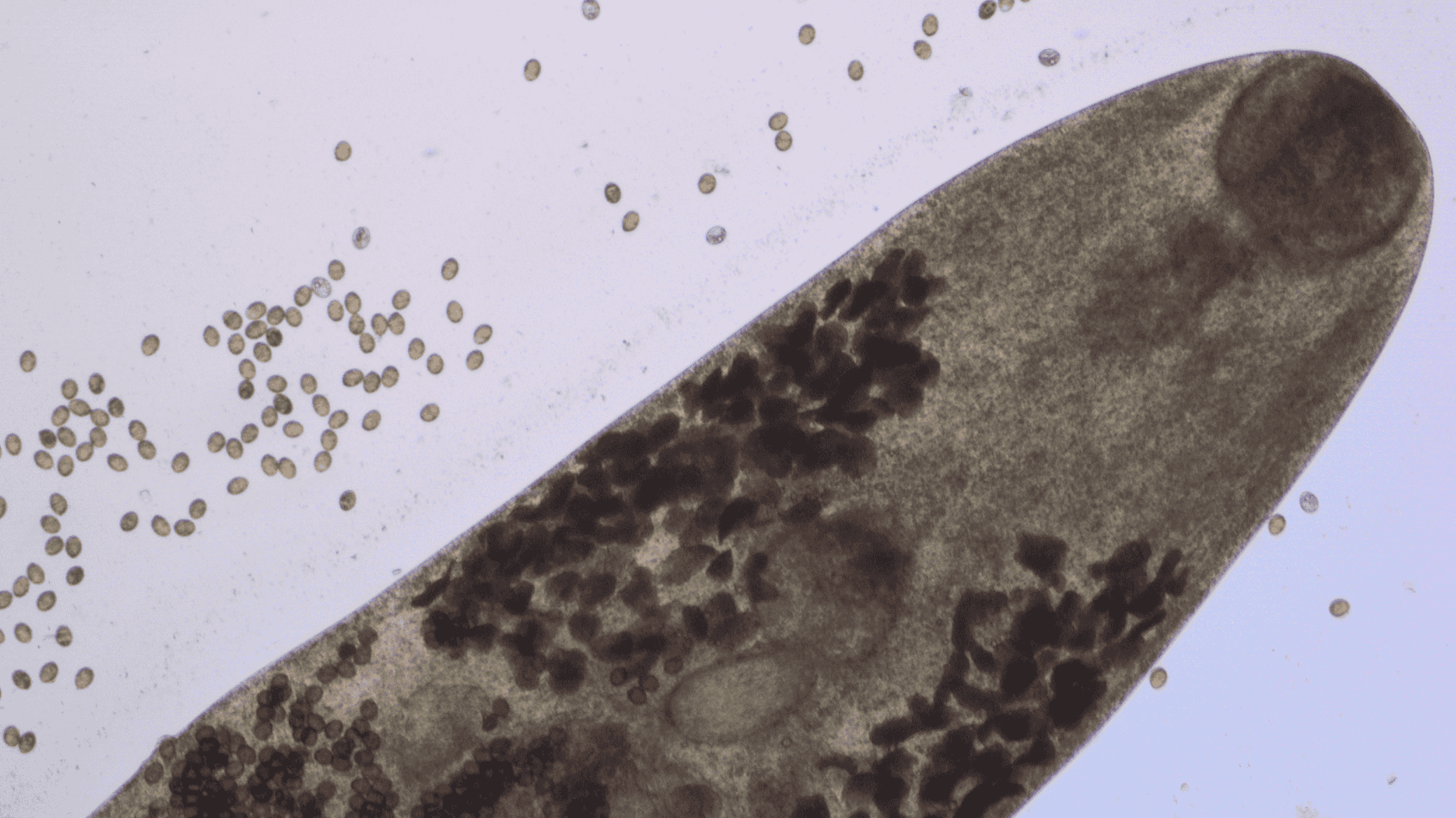
The trematode Brachycoelium salamandrae, which, despite its widespread distribution, has been little researched.
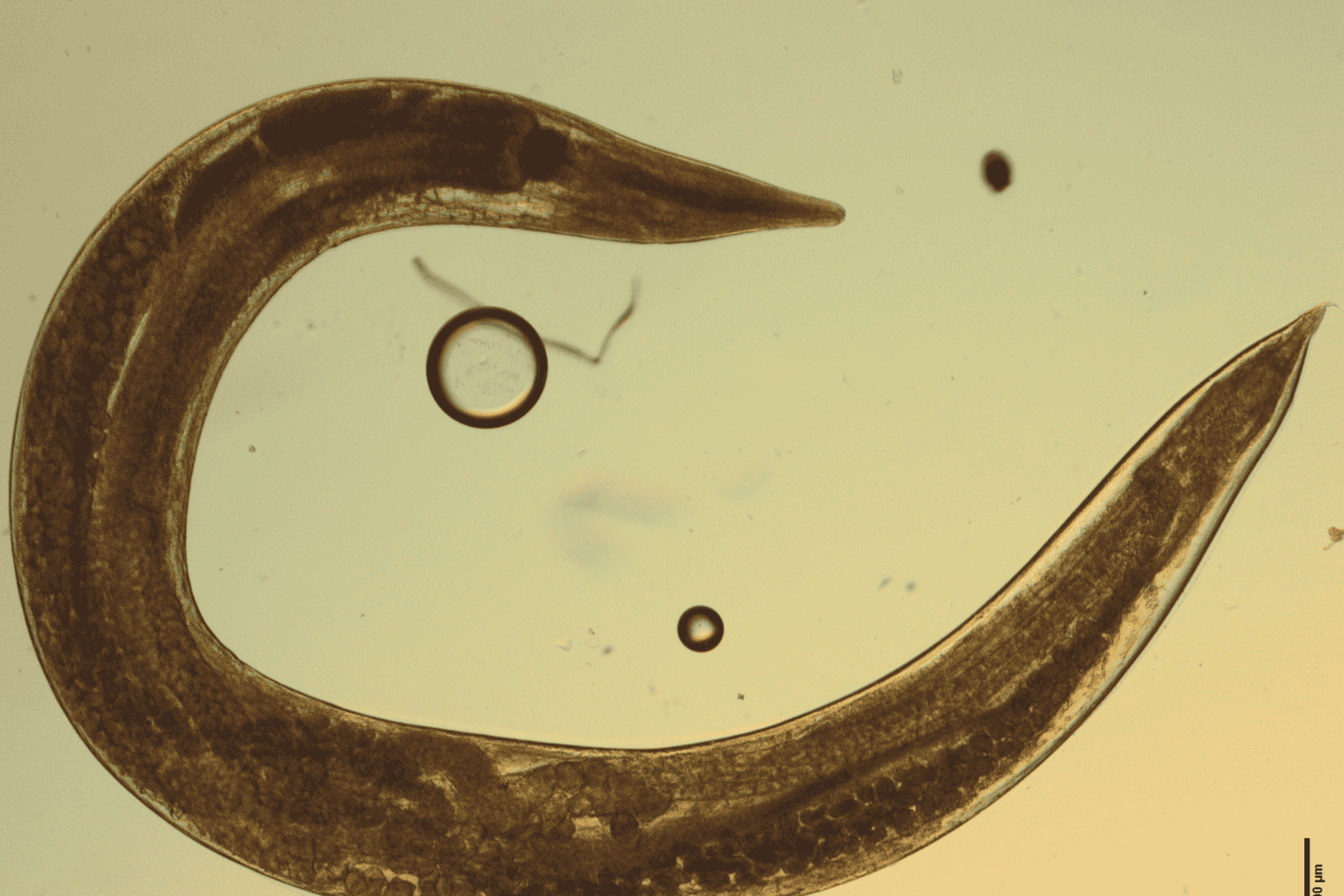
Female nematode Cosmocerca longicauda, a very common parasite in Fire Salamanders.
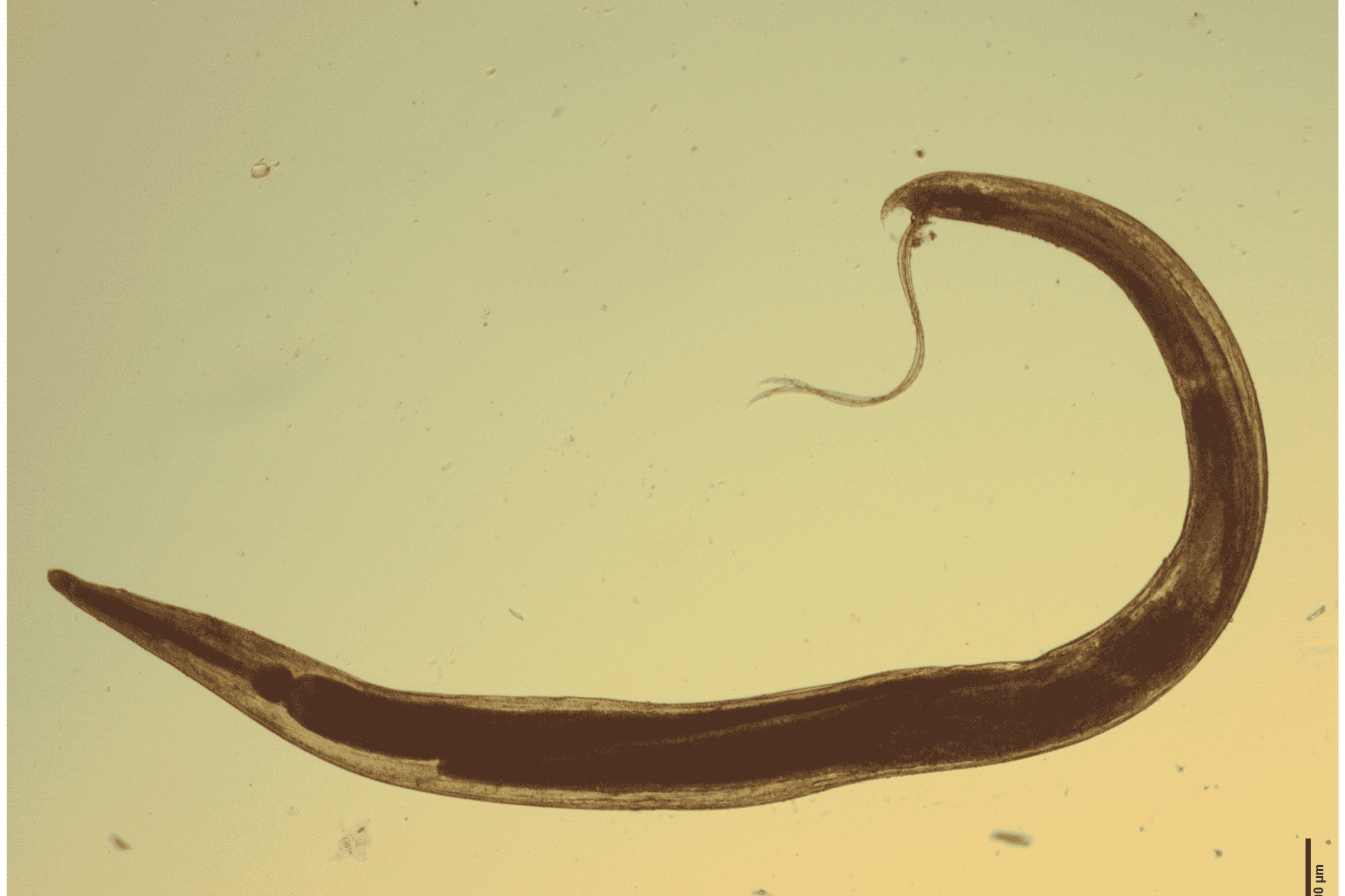
Male Nematode Cosmocerca longicauda.
Examination for helminth parasites
To address these knowledge gaps and initiate a parasitological investigation of several fire salamander populations in Germany, researchers at the University of Duisburg-Essen, funded by the German Federal Environmental Foundation (DBU), are currently examining three populations for helminth parasites. For this purpose, individuals that have succumbed to Batrachochytrium salamandrivorans (Bsal) infection or were killed by traffic are dissected. The resulting data will expand existing parasite databases with morphological and molecular information.
These findings will serve as a foundation for developing monitoring methods that do not rely on the killing of host animals and thus allow the examination of healthy fire salamander populations in Germany and across Europe. Following the taxonomic identification of the detected parasites, further insights into their life cycles are expected, shedding light on their ecological roles within the food webs and ecosystems associated with the fire salamander. In addition, their potential suitability as bioindicators for the ecology of salamander habitats will be evaluated.
In later stages of the project, other amphibian species and their parasites will also be included. Findings and challenges related to European amphibian helminths, together with a comprehensive list of helminths and their hosts documented in Europe, can be found in the project’s first publication: ‘Amphibian helminths in Europe revisited: taxonomy, threats, and ecological insights‘

Alpine Salamander Competence Centre in Lower Saxony
Julia Bindl
True crime in the mountains: In autumn 2024, several dozen alpine salamanders were officially confiscated from a private individual’s basement in Germany. They had previously been illegally collected in the Italian Alps.
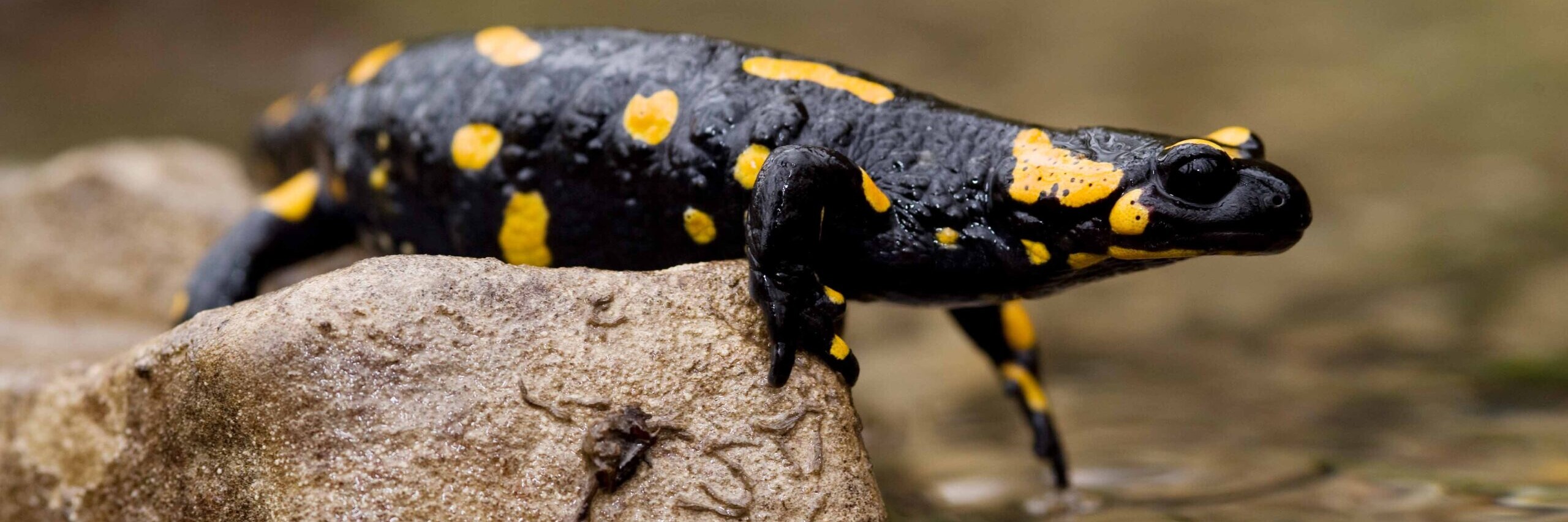
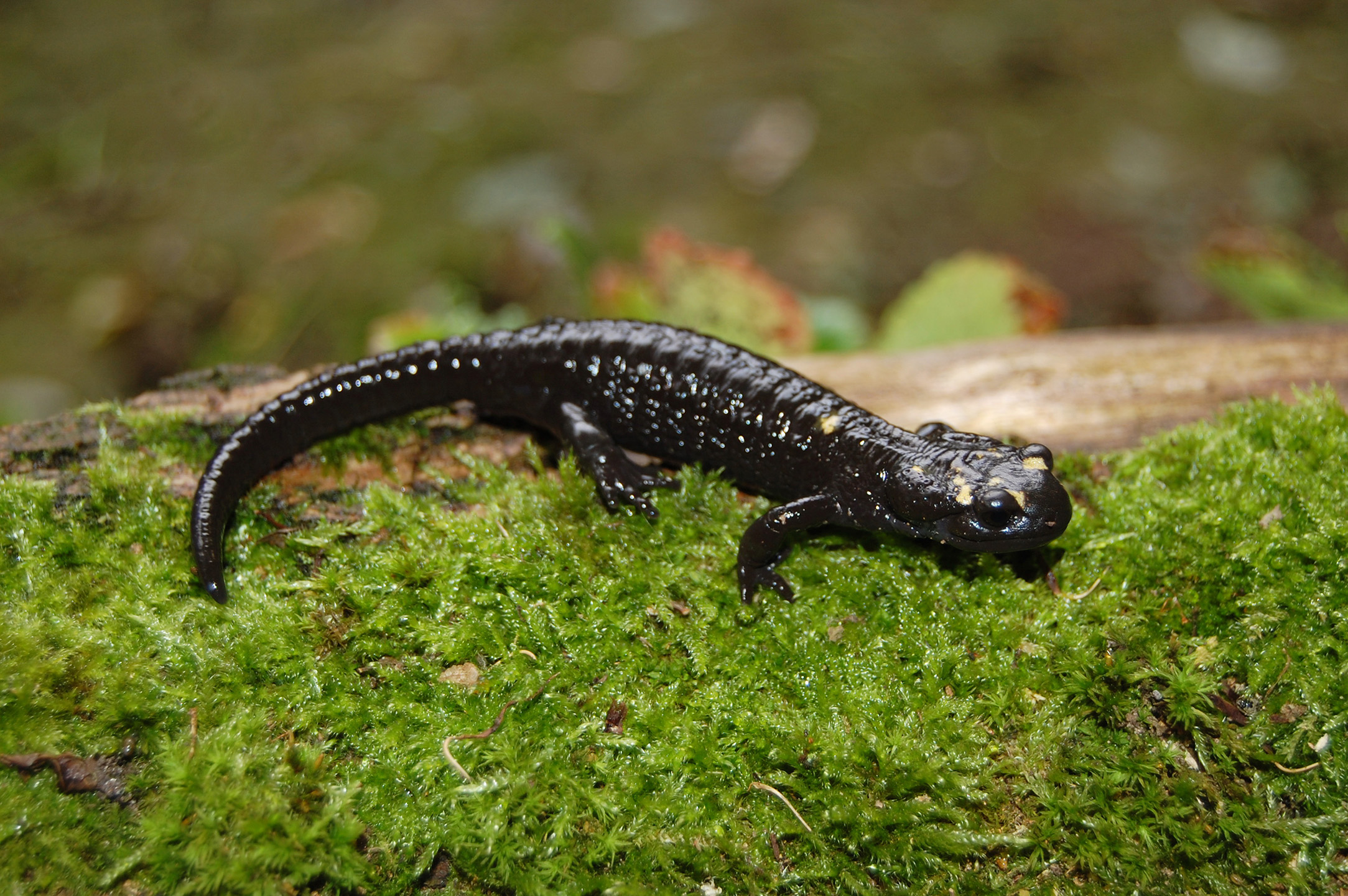
These were three extremely rare and endangered species or subspecies of these amphibians: Lanza’s Alpine Salamander (Salamandra lanzai) is the slightly larger sister species of the more widespread Alpine Salamander (Salamandra atra) and, like the latter, is jet black in colour. The Aurora Alpine Salamander (Salamandra atra aurorae), on the other hand, is only found in a few high valleys in the northern Italian Alps, while the Pasubio Alpine Salamander (Salamandra atra pasubiensis) is found in only a few hundred specimens in a single valley in north-western Italy. Both subspecies still show remnants of the yellow warning colouring that was present in the common ancestor of Fire Salamanders and Alpine Salamanders.
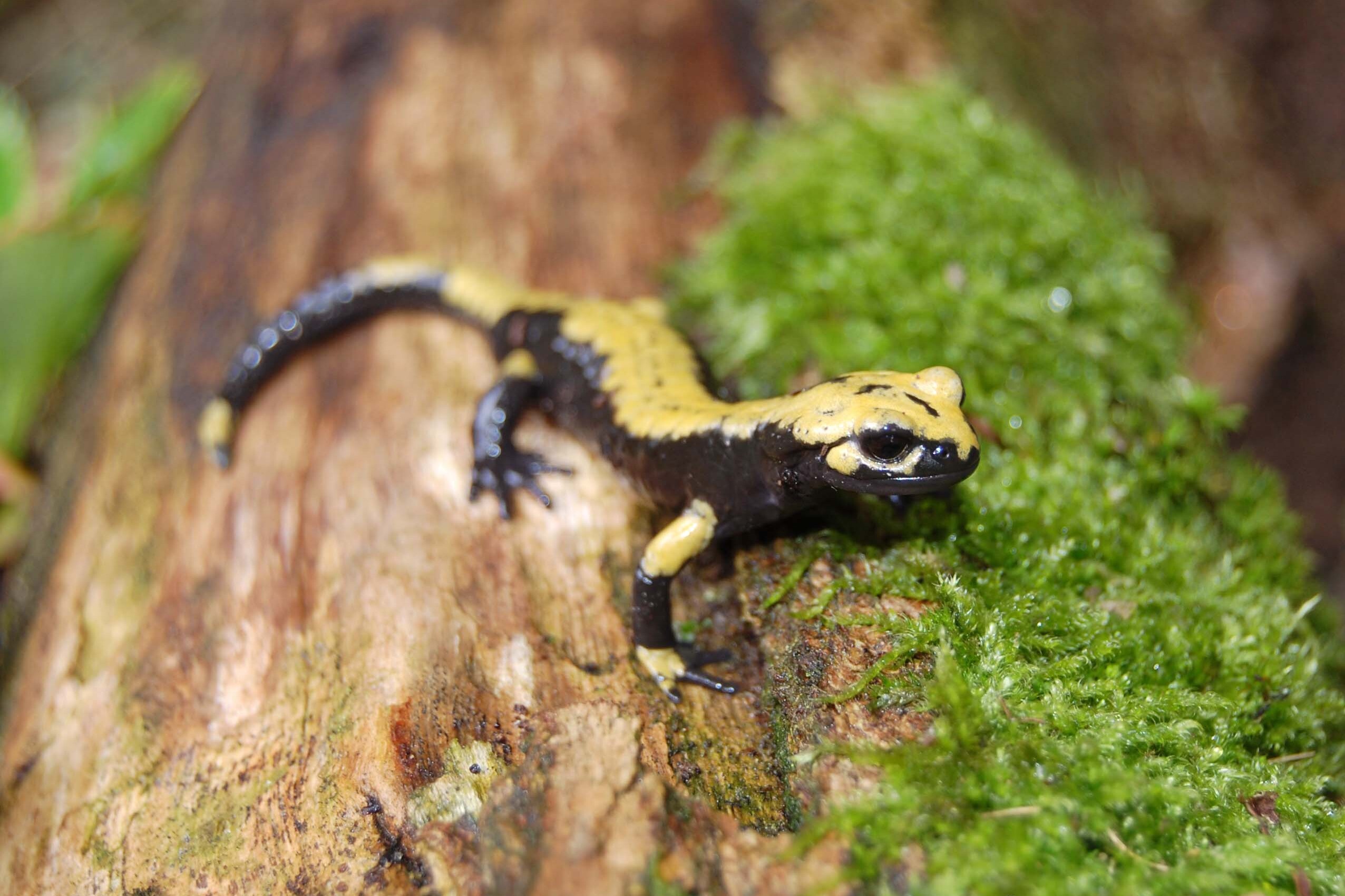
Unlike the evolutionarily younger ‘normal’ Alpine salamander, the Aurora Alpine salamander (Salamandra atra aurorae) has retained remnants of the yellow warning colouring of its ancestors.
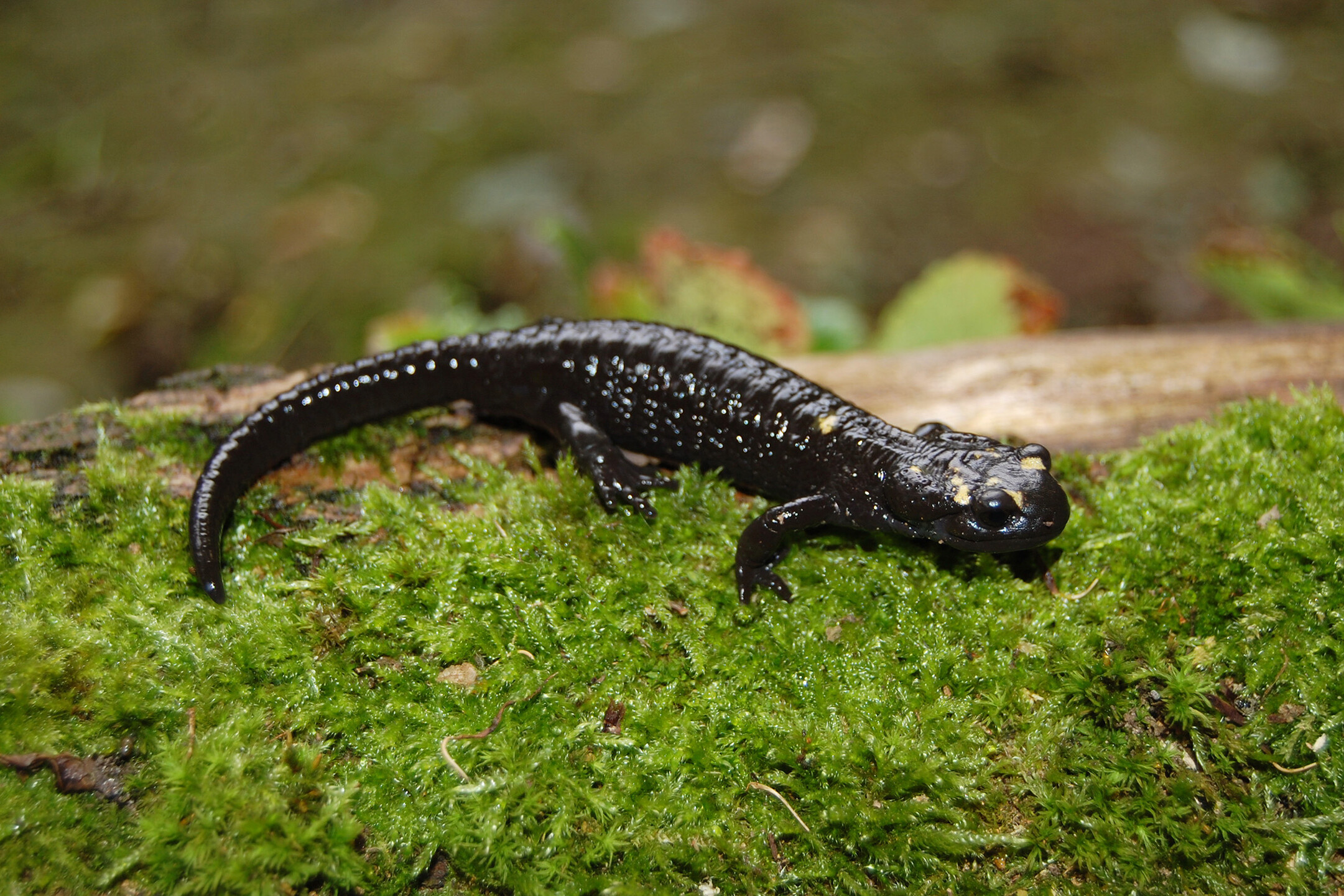
In the case of the even rarer Pasubio Alpine Salamander (Salamandra atra pasubiensis), only a few yellow spots remain.
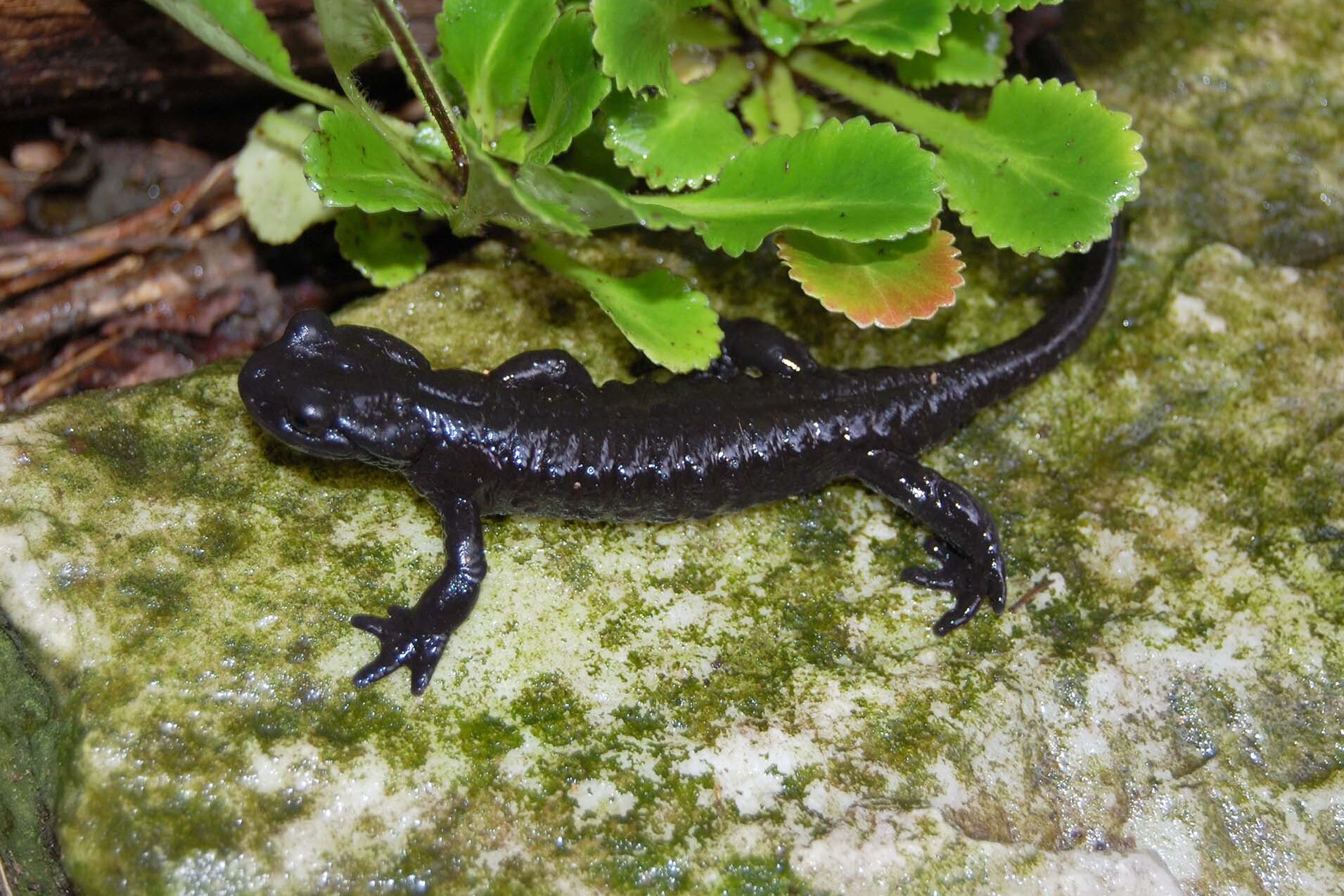
Lanza's Alpine Salamander (Salamandra lanzai) has also fallen victim to poachers.
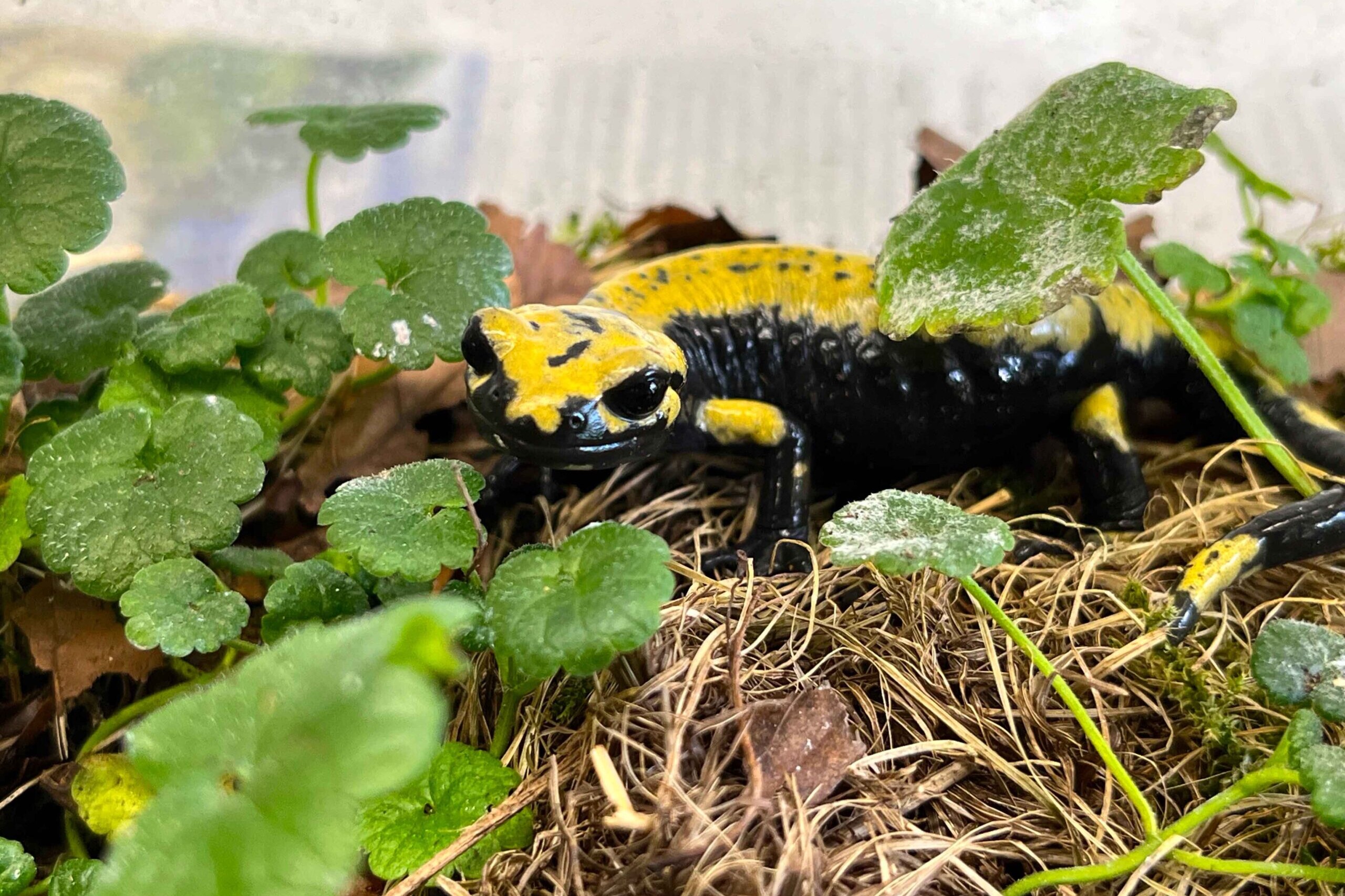
Salamandra atra aurorae
Expert knowledge for species conservation
After the dark basement secret was revealed, Citizen Conservation advisory board member Uwe Seidel, a private terrarium keeper and expert on keeping these amphibians, was asked for advice. He responded immediately and informed Citizen Conservation, the species conservation organisation for conservation breeding and co-founder of Feuersalamander.NET. ‘It was immediately clear to me that these animals are invaluable for species conservation and definitely belong in a protection project,’ says Uwe Seidel.
After consultation with the relevant species conservation authorities, returning them to their original habitat was out of the question for various reasons. At the same time, the situation of these Alpine salamander species is already so precarious that it is urgently necessary to establish a breeding programme in human care in order to preserve them.
Nourish and build up
First of all, however, it was necessary to stabilise the animals, some of which were in very poor health. At the request of the nature conservation authority, Uwe Seidel took on this task. For over half a year, he nursed the animals, which are only 15 cm tall when fully grown, back to health. Meanwhile, CC searched for suitable institutions that were willing and able to provide the necessary facilities and personnel to take on long-term care and conservation breeding. Björn Encke, managing director of Citizen Conservation and Frogs & Friends: ‘The aim was to spread the risk across two locations that were close to Uwe Seidel, because we didn’t want to do without his expertise in salamander care. It was an absolute stroke of luck that
High mountain specialists in the bunker
Alpine Salamanders, which originate from mountainous regions, need cold temperatures. Accordingly, a basement room was prepared at Hanover Zoo – and an entire bunker in Sachsenhagen. Florian Brandes, head of the wildlife and species conservation station, explains, ‘There are a number of old NATO ammunition bunkers on our premises. The temperature in these bunkers remains between 5 and 14 degrees Celsius all year round. These are ideal conditions for Alpine Salamanders, which need a cool environment with a sharp drop in temperature at night, as in the Alps, and also spend a large part of the year in hibernation.’
With financial assistance from Citizen Conservation, a breeding facility was set up in just a few weeks, strictly following Uwe Seidel’s specifications: ‘We know virtually nothing about what Alpine salamanders need to not only stay healthy, but also to mate – so we will probably have to try a few things to achieve success.’
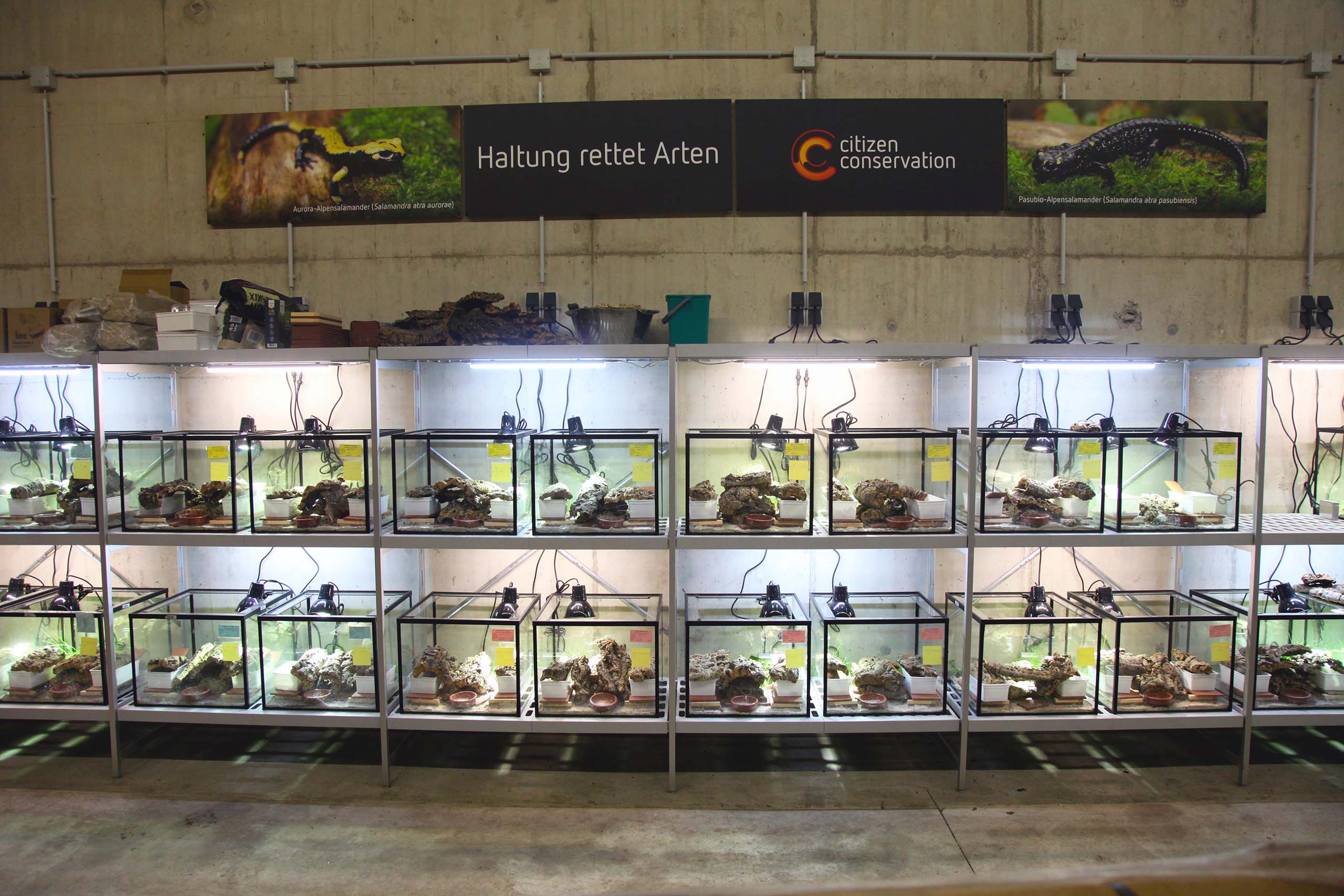
A total of 30 terrariums are located at the wildlife and species conservation station in Sachsenhagen for the preservation of Alpine Salamanders.
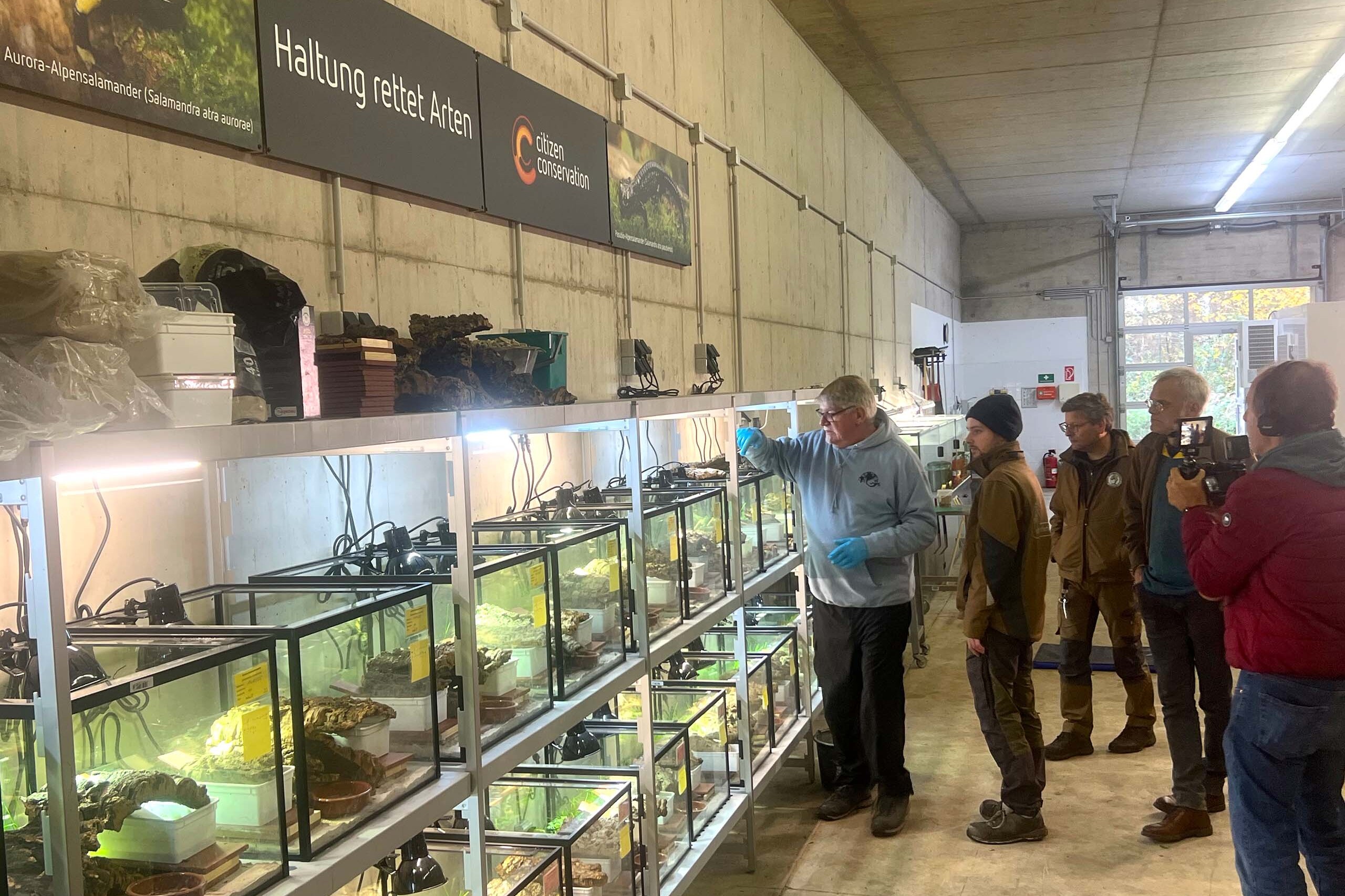
Filming at Sachsenhagen station by Frogs & Friends.
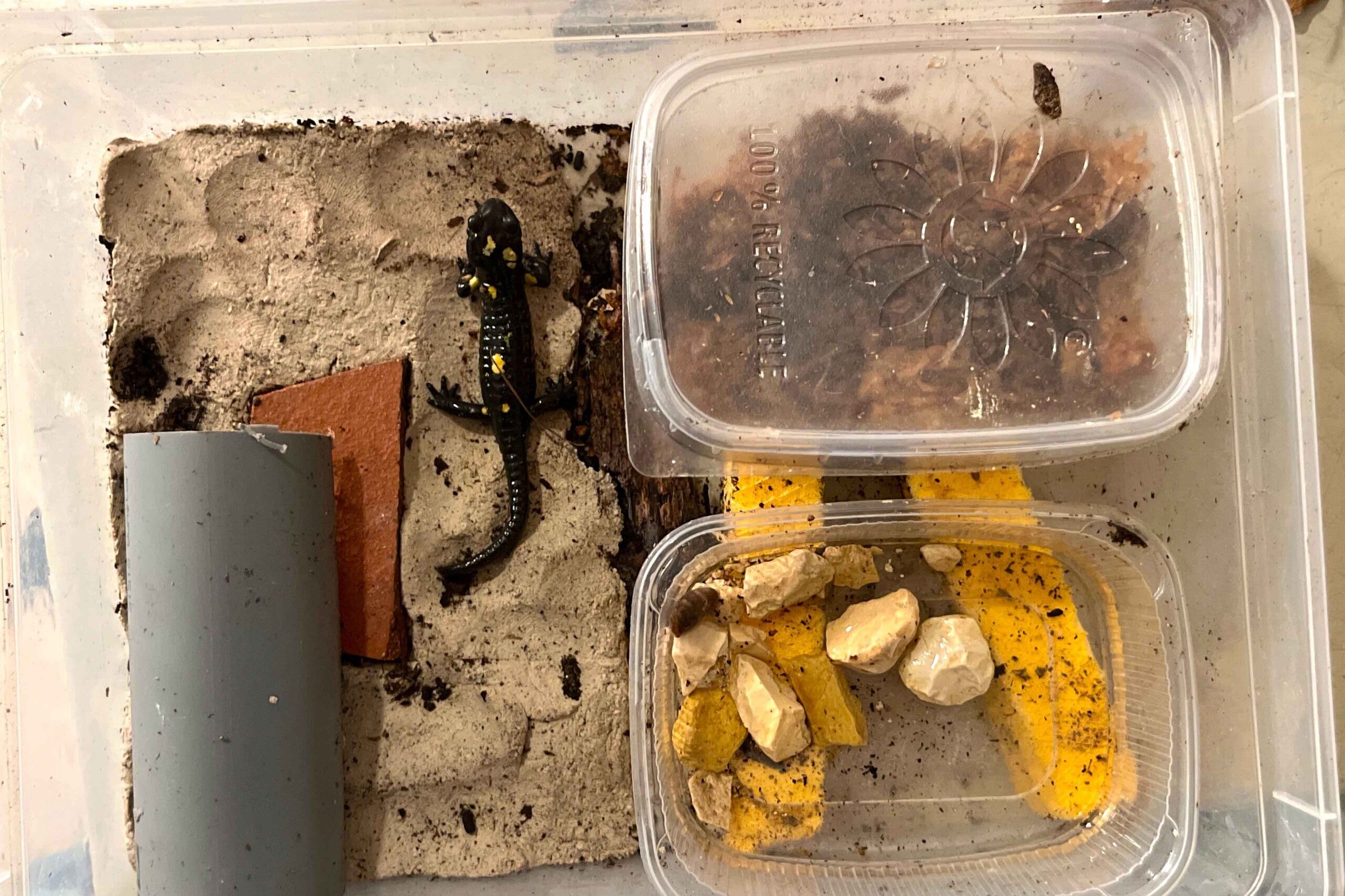
The animals were initially nursed back to health in practical plastic boxes. Here is a Pasubio Alpine Salamander.
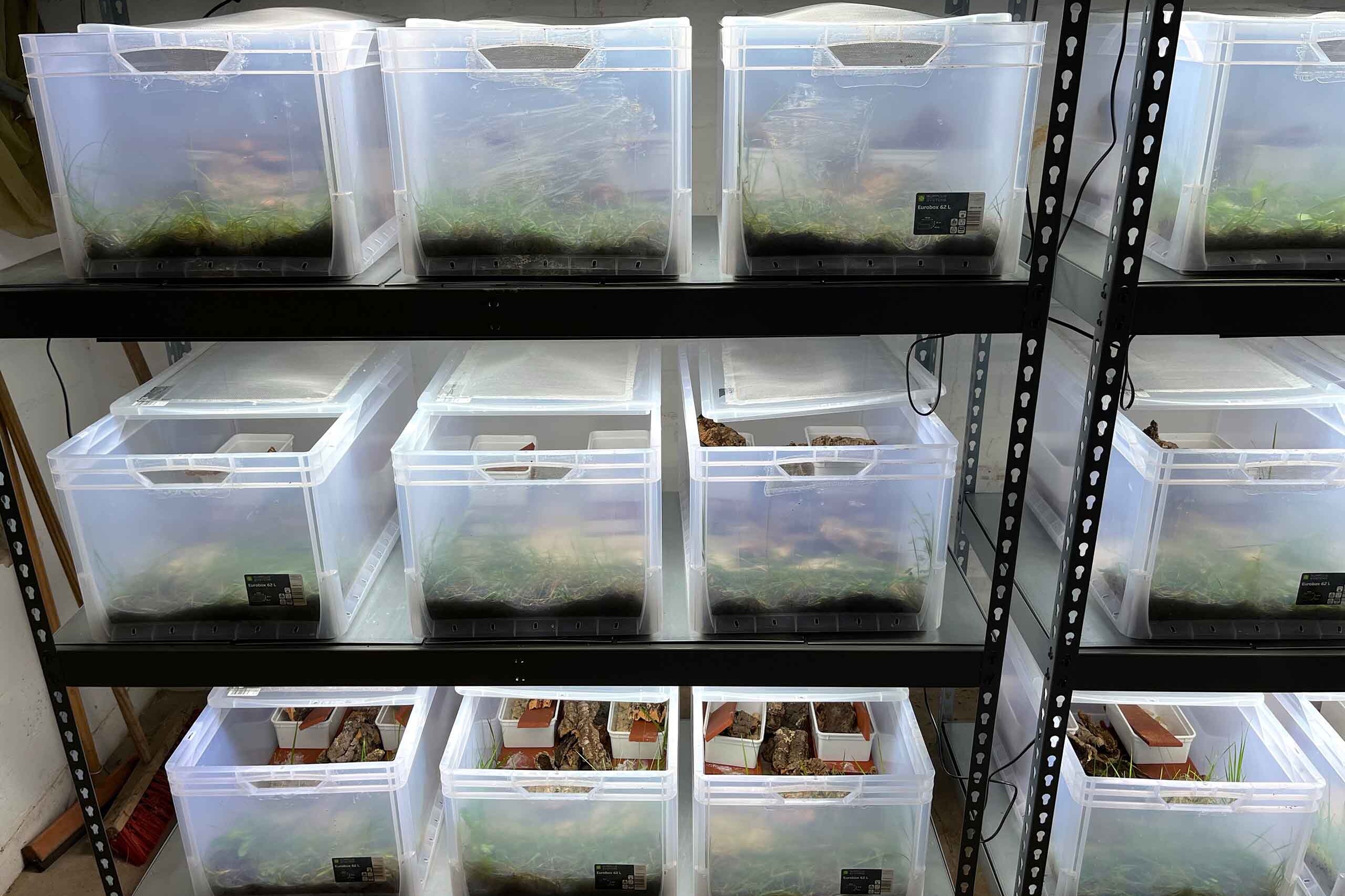
Hannover Adventure Zoo also provides ample space for the conservation of Alpine Salamanders.
Slow reproduction, rapidly growing dangers
Reproduction in Alpine salamanders is extremely lengthy. These amphibians are viviparous. They give birth to only two young every two to four years. The reason for this is the cold climate in their habitat. In the high mountains, temperatures only rise to a level suitable for cold-blooded animals for a few months of the year; the rest of the year they spend in hibernation. This period would not be long enough to lay larvae or even eggs, which then develop in the water. Given these weather conditions, it is therefore better to give birth to only a few young directly in the womb. This highly specialised and time-consuming reproduction makes the Alpine salamander doubly vulnerable. On the one hand, poachers can cause serious damage to the population by collecting even relatively few individuals; on the other hand, this adaptation to the conditions in the high mountains makes them particularly sensitive to climatic fluctuations, such as those expected as a result of climate change. In addition, for several years now, there has been a further threat from the salamander-eating fungus rampant north of the Alps, which is leading to alarming mass deaths in Europe’s Fire Salamander populations. The fungus is also spread via its spores, which can adhere to mud, plants or animals – for example, to the shoes of the very smugglers who illegally hunt amphibians. This particular threat was one of the main reasons why the DGHT designated the Alpine Salamander as the ‘Amphibian of the Year 2026’.
Alpine Salamander Competence Centre at Feuersalamander.NET
This makes research and breeding under controlled conditions all the more important in order to prevent extinction before our very eyes, especially of the two most endangered local endemic species, the Aurora and Pasubio Alpine Salamanders, and the Lanza Alpine Salamander, which is also only found in a small area. This gives us the option of possibly reintroducing animals into suitable habitats at a later date. The Alpine Salamander Competence Centre in Lower Saxony is a first step in this direction.
Feuersalamander.NET, initiated and co-founded by Frogs & Friends 2024, has also been committed from the outset to supporting the protection of the Fire Salamander and the development of ex-situ capacities for its close relative, the Alpine Salamander. The newly established ‘Alpine Salamander Competence Centre’ is an important milestone towards this ambitious goal.
The entire thriller surrounding the poached Alpine Salamanders and the establishment of the competence centre is documented in a film produced by Citizen Conservation, which is now freely available.




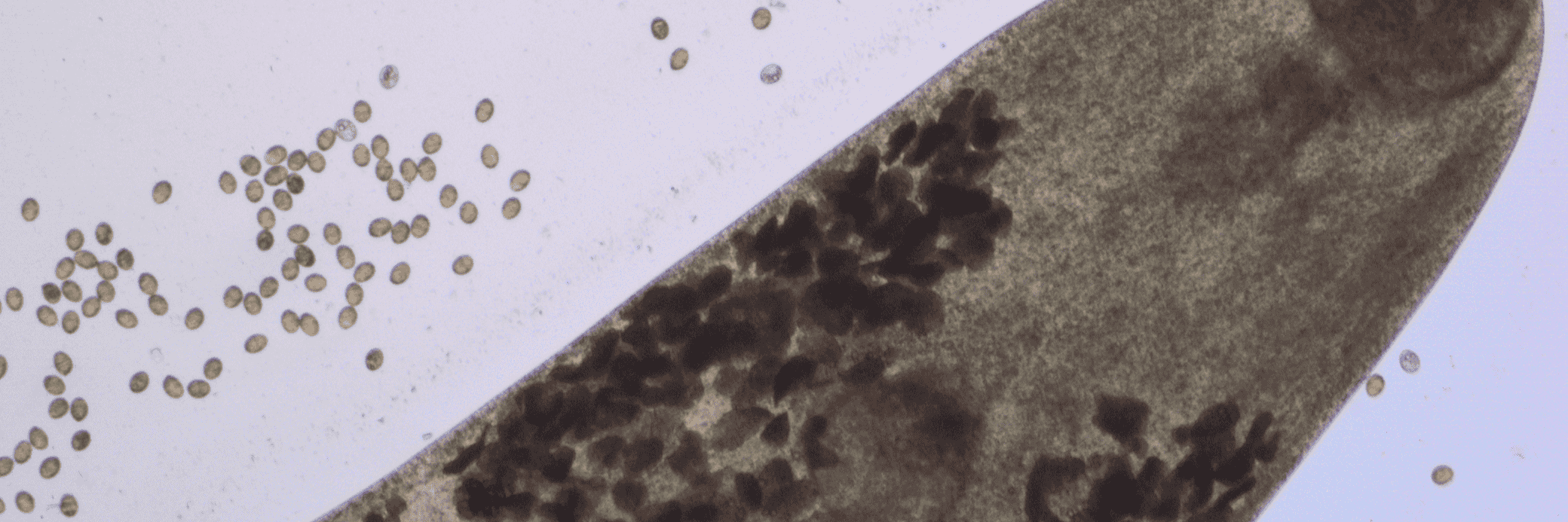
light well as a salamander ark
Julia Bindl
The Gymnasium am Waldhof secondary school in Bielefeld is implementing an unusual fire salamander breeding programme – with support from Frogs & Friends and the HIT Environmental Foundation.
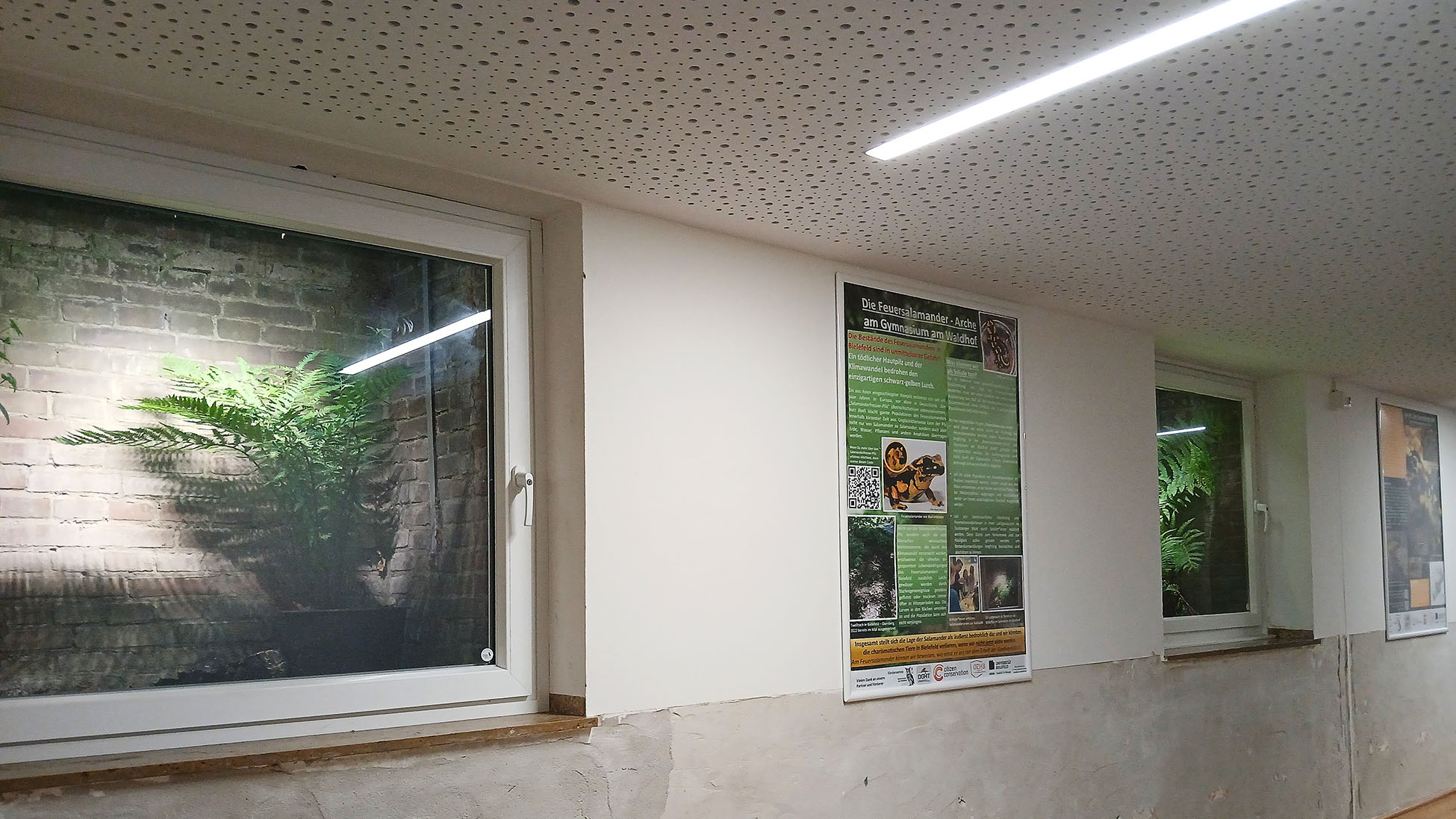
Sebastian Gehring is not only a teacher at the Gymnasium am Waldhof secondary school in Bielefeld, but also a passionate herpetologist and conservationist. While searching for suitable locations to set up a small fire salamander enclosure, he found what he was looking for in the basement of his school building. Looking out of the windows, which strictly speaking serve more for ventilation than lighting in the basement, he realised that these light wells were actually half-finished terrariums for salamanders – all that was needed was some light and suitable furnishings, including drainage to prevent flooding during heavy rain.
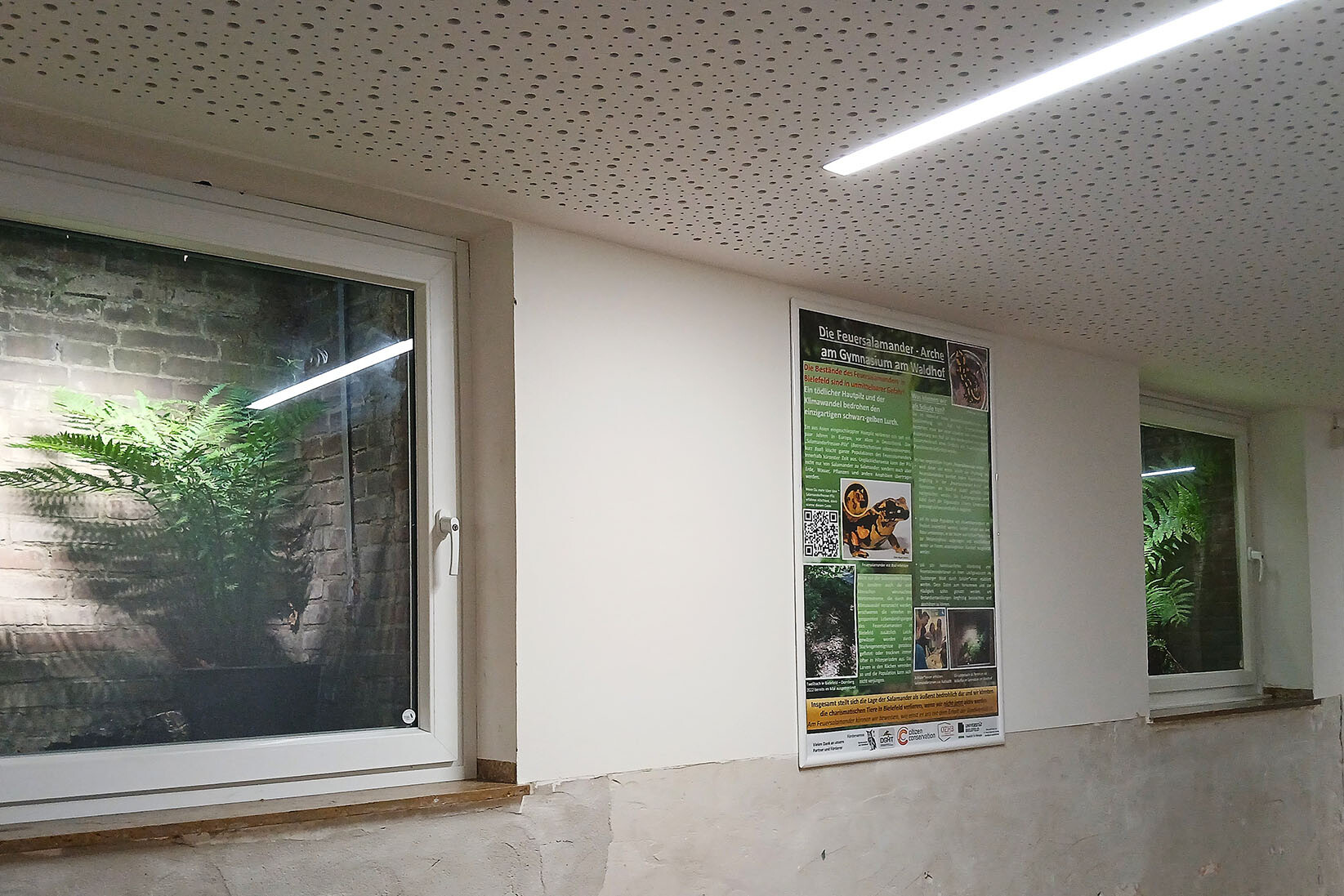
View into the basement hallway with the two converted light wells as a terrarium for Fire Salamanders and corresponding information panels.
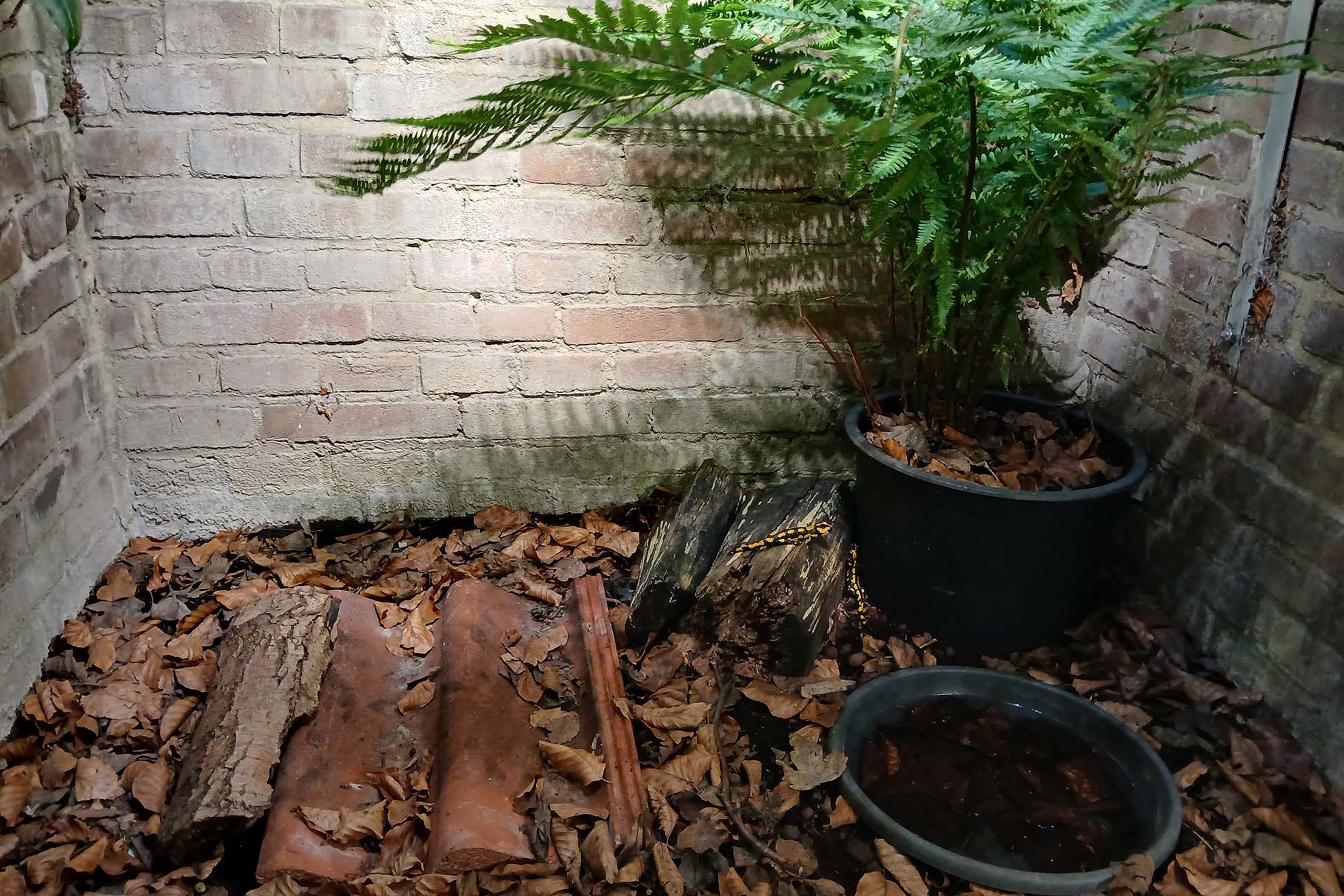
Newly installed light well terrarium for the fire salamanders.
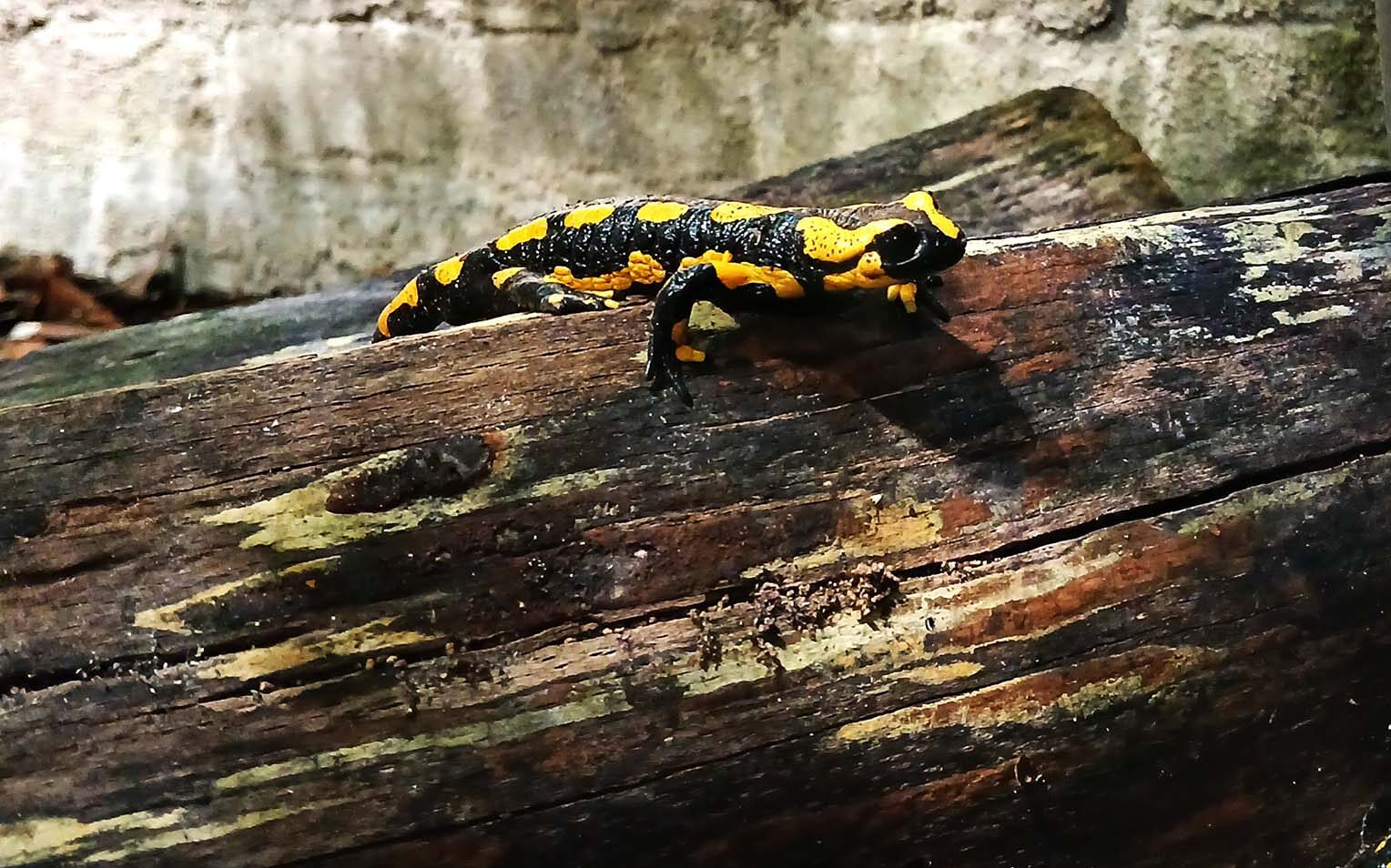
Fire salamanders have the best conditions in terrariums.
In this way, Gehring thought, two display areas could be set up in the corridors of the school’s basement, which are also integrated into the outer wall, and the walls in between could be used to draw attention to the threat to native amphibians and efforts to protect them. Not only was the school management quickly convinced, but
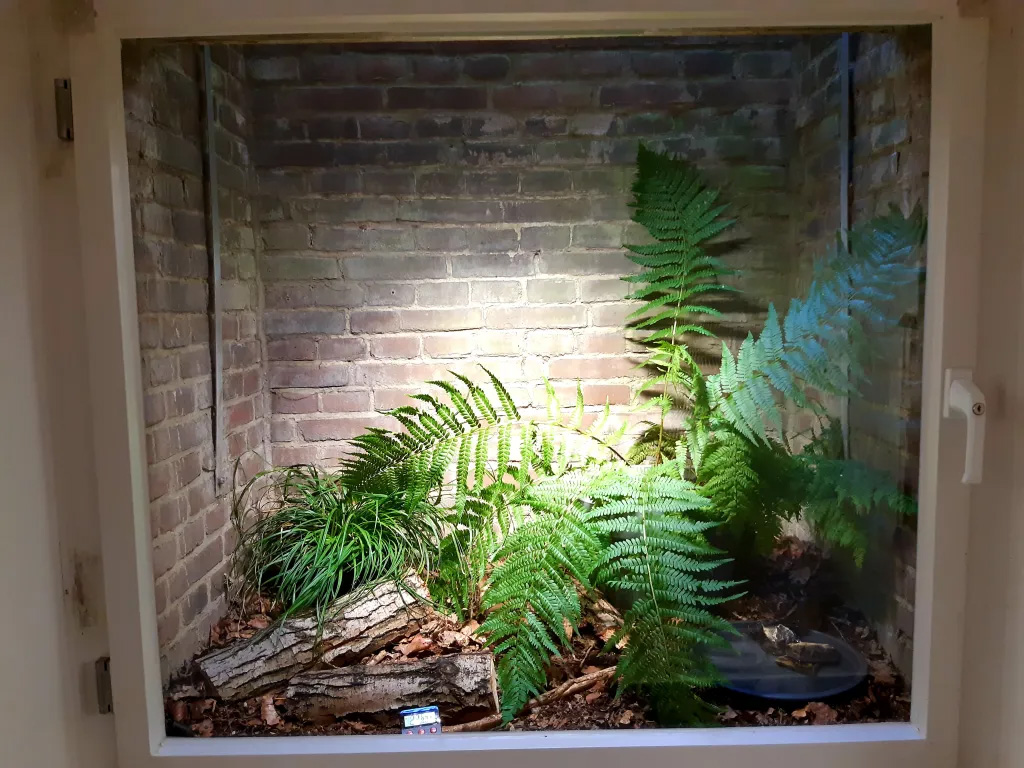
Light well terrarium for fire salamanders, funded by the HIT Environmental Foundation.
This marks the completion of the second school project realised by the HIT Foundation in collaboration with Frogs & Friends under the umbrella term ‘Grassroots Arks’. Previously, support had already been provided for the construction of an outdoor facility at the
We hope that projects such as those in Bielefeld and Dillenburg will literally set a precedent. To this end, it is also important that the people and institutions committed to protecting this species network more closely. This is the most important goal of Feuersalamander.Net. We are grateful to be able to achieve this with such generous partners as the HIT Environmental Foundation and many others.