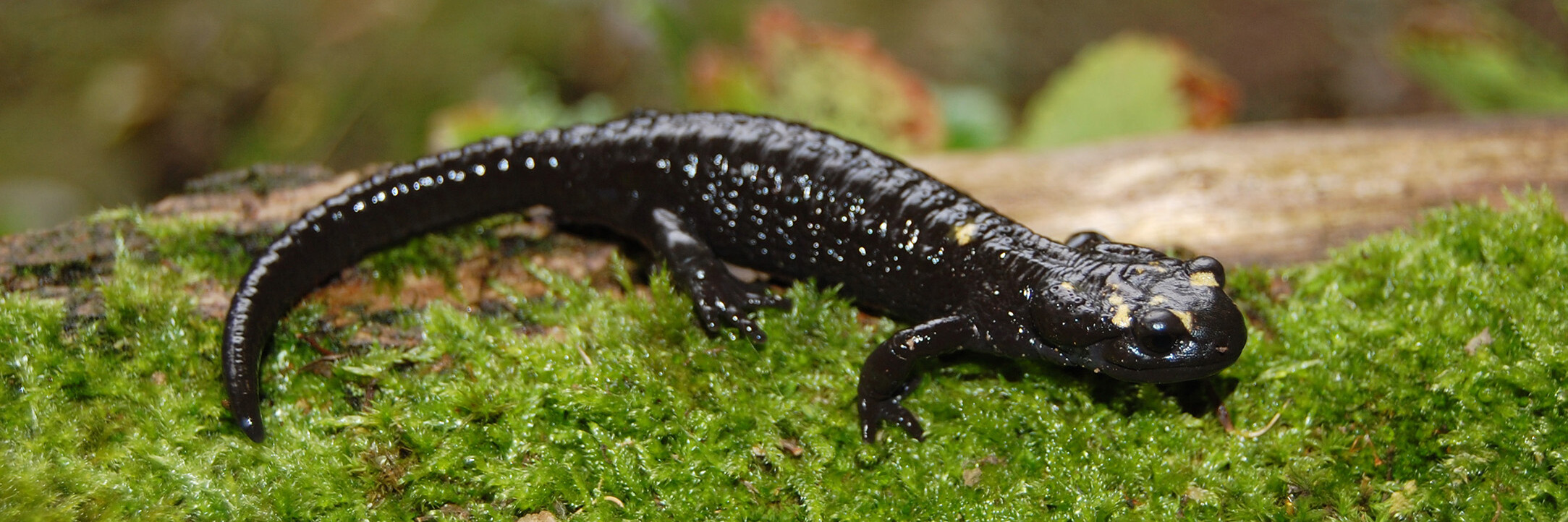



Parasitological Research on Fire Salamanders in Germany
Julia Bindl
The dynamics of parasite-host interactions represent an aspect of ecosystem research that has recently attracted increasing scientific attention. While parasites were previously studied mainly in the context of veterinary medicine or zoonoses, their consideration as integral components of ecosystems and food webs is now regarded as essential for understanding ecological processes.
Amphibians were among the first vertebrates to be examined for their parasites; however, such investigations have largely declined in recent decades, particularly in the context of the ongoing global amphibian decline. Collecting a sufficient number of host specimens is now often impossible without jeopardizing populations or conflicting with conservation measures. Consequently, a knowledge gap has emerged in Europe regarding amphibian parasitology. This gap is characterized by outdated taxonomy, a lack of molecular data, and insufficient knowledge of intermediate hosts, leaving the field behind studies on other freshwater organisms. Amphibians, however, serve as important definitive and intermediate hosts for a wide range of parasites, especially parasitic worms (helminths), and often form an ecological bridge between aquatic and terrestrial habitats.
With the new threat posed by chytrid fungi and the advent of non-invasive and molecular methods for monitoring organisms, interest in amphibian parasitology has been rekindled. The parasite fauna of the fire salamander (Salamandra salamandra), has so far been investigated only sporadically, often based on few individuals from isolated populations. Studies of wild populations in Germany date back primarily to the early 20th century. Considering the species’ wide distribution, unique life history, numerous subspecies, and isolated populations, a comprehensive study of its parasite fauna would be of great scientific interest.
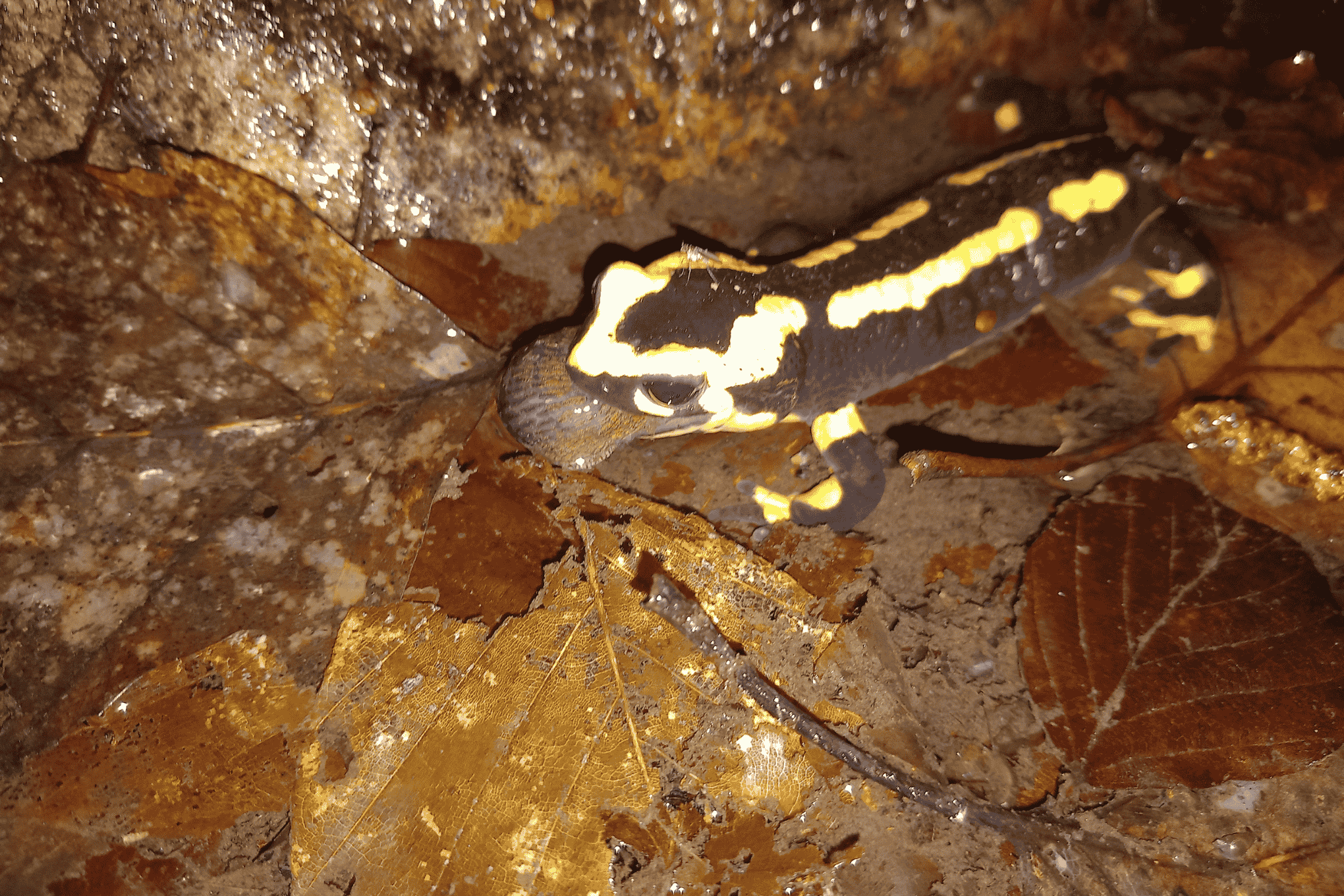
Fire Salamander with potential vectors of infection (mosquitoes, snails).
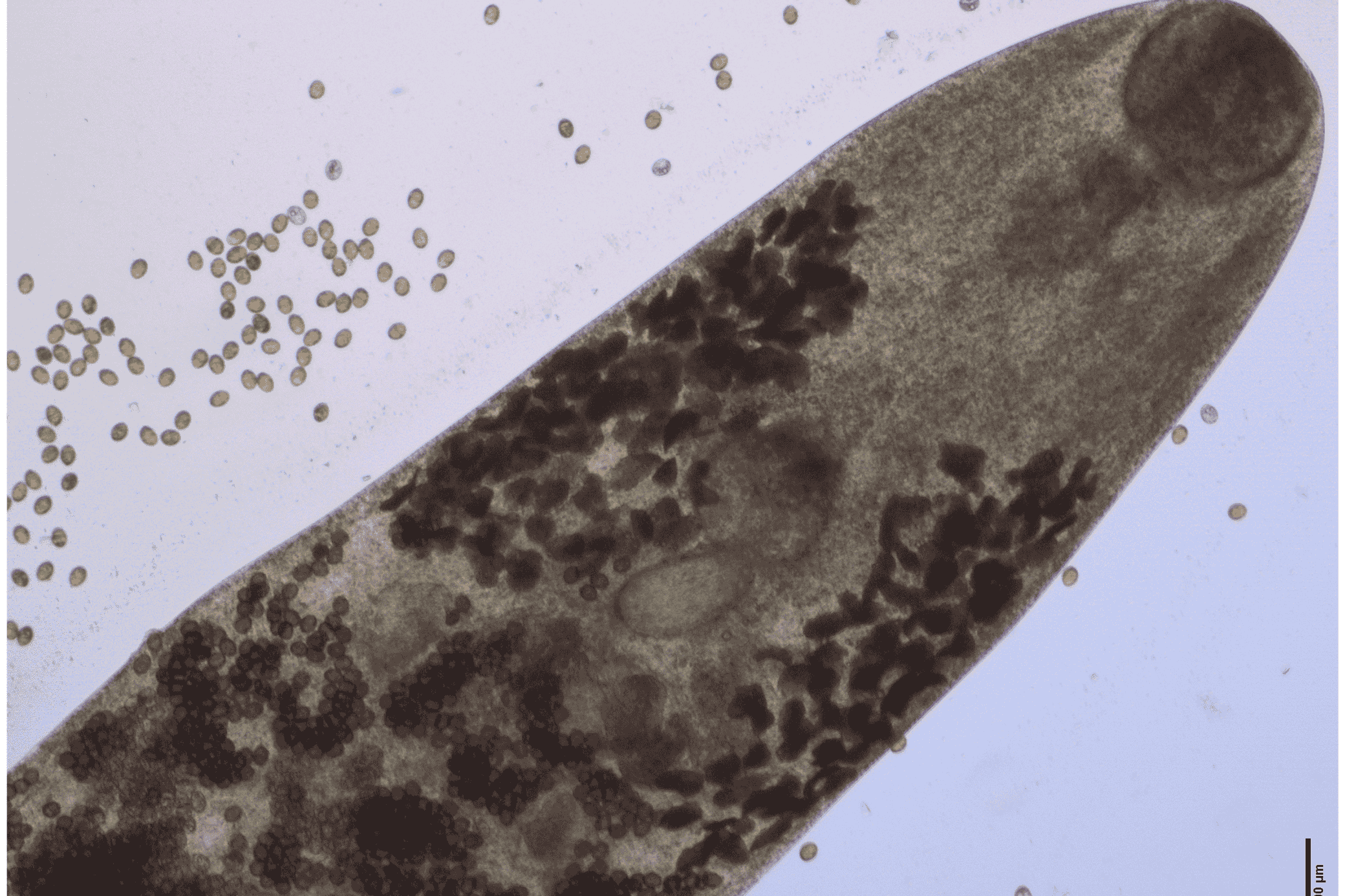
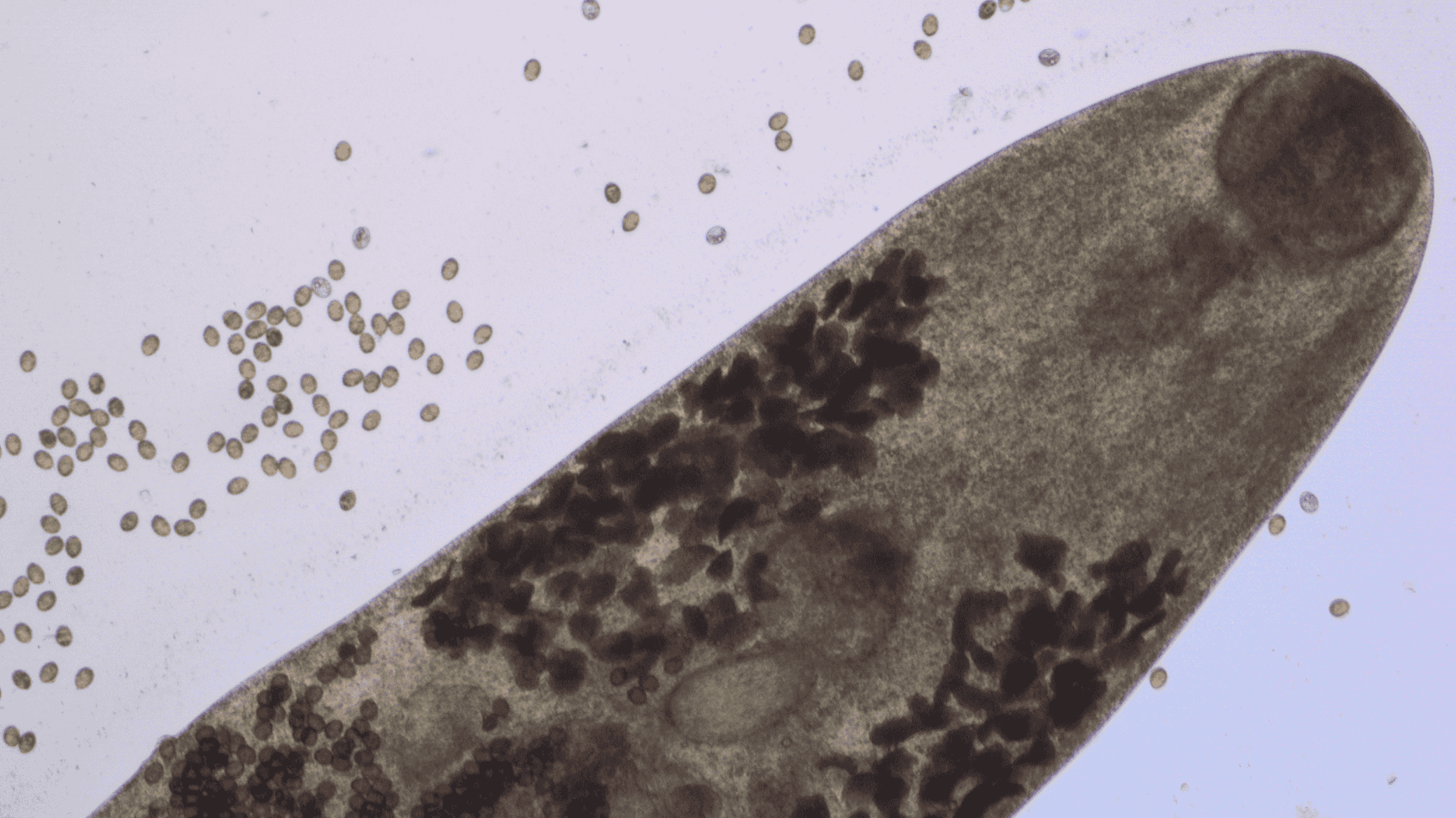
The trematode Brachycoelium salamandrae, which, despite its widespread distribution, has been little researched.
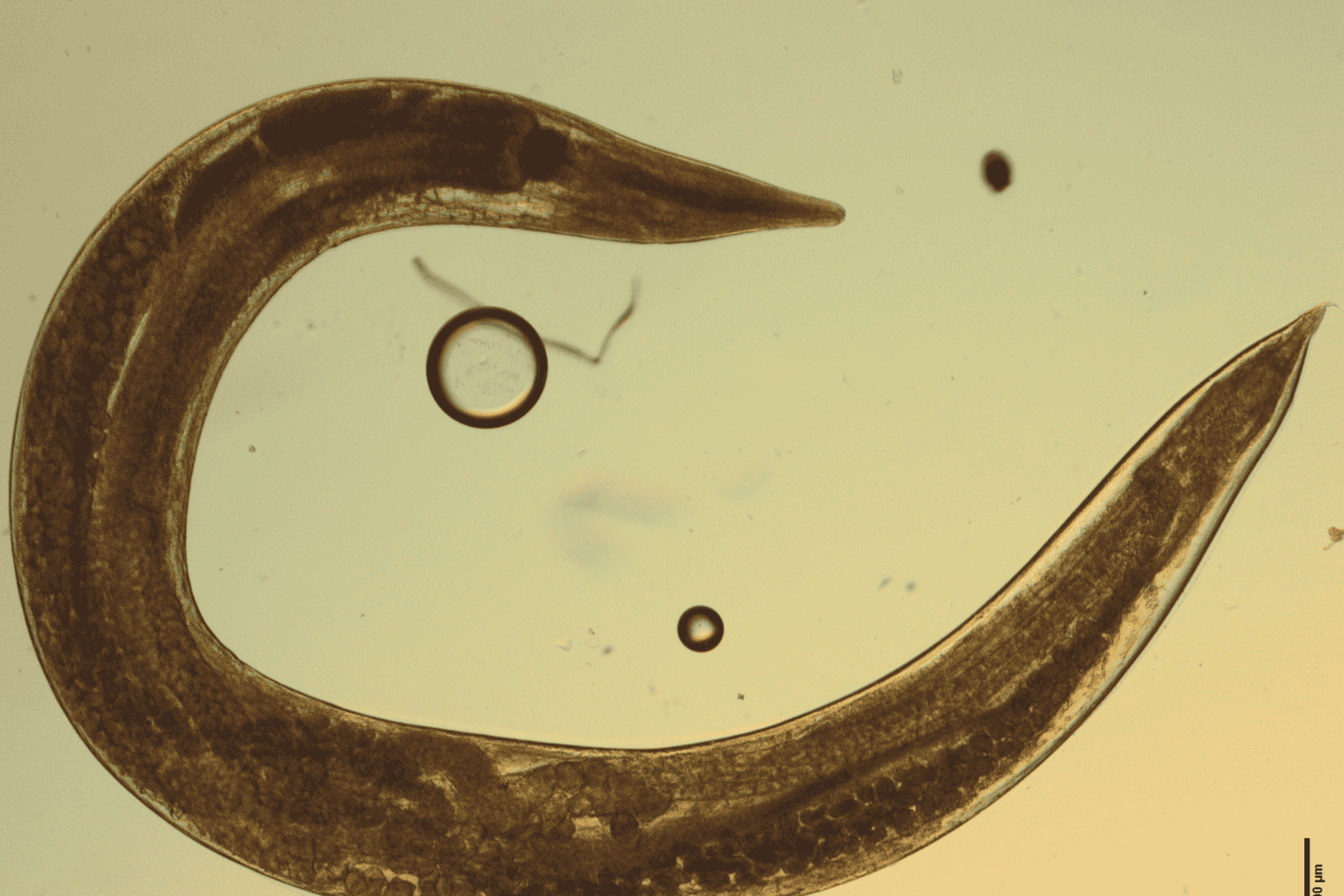
Female nematode Cosmocerca longicauda, a very common parasite in Fire Salamanders.
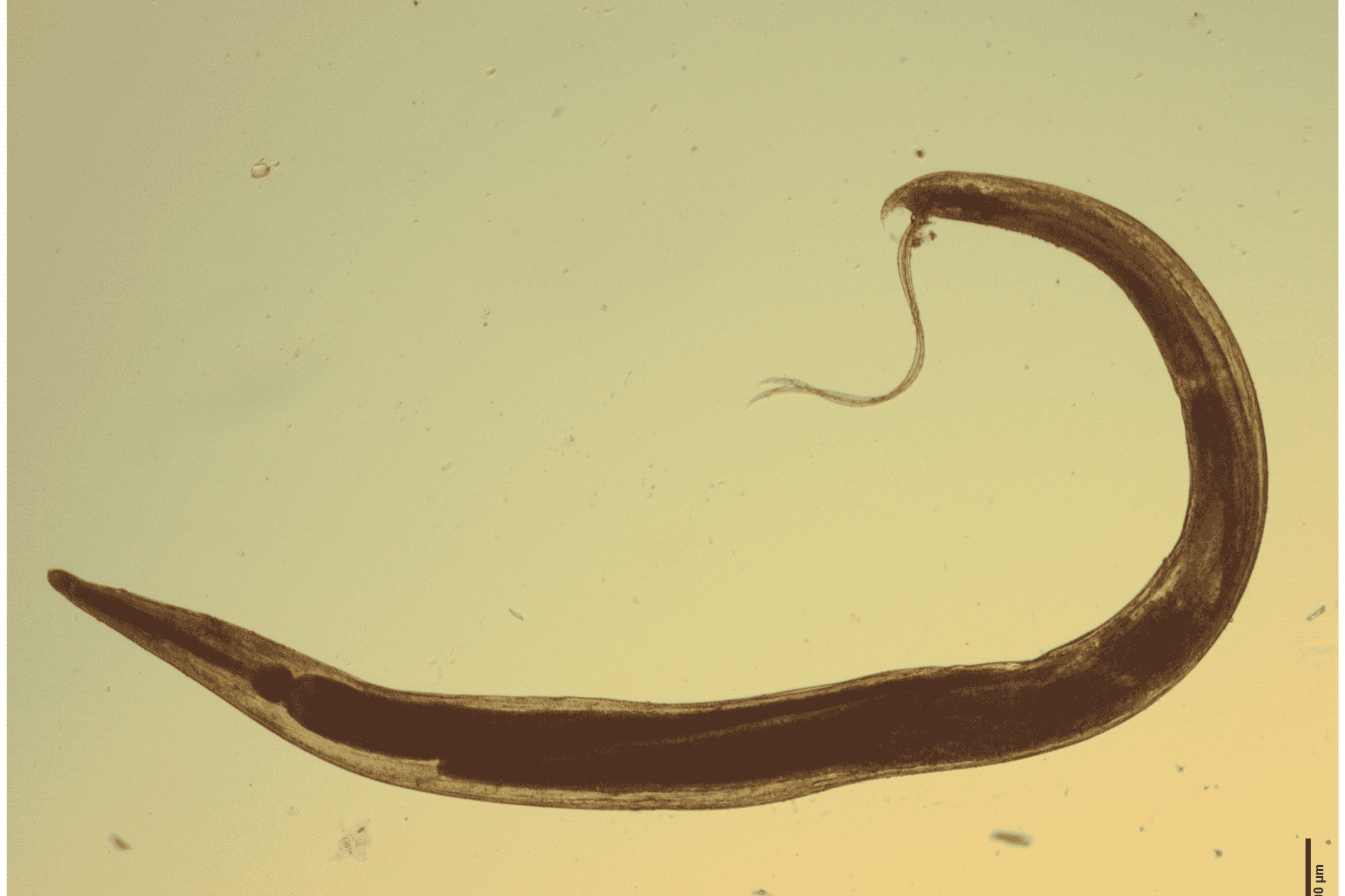
Male Nematode Cosmocerca longicauda.
Examination for helminth parasites
To address these knowledge gaps and initiate a parasitological investigation of several fire salamander populations in Germany, researchers at the University of Duisburg-Essen, funded by the German Federal Environmental Foundation (DBU), are currently examining three populations for helminth parasites. For this purpose, individuals that have succumbed to Batrachochytrium salamandrivorans (Bsal) infection or were killed by traffic are dissected. The resulting data will expand existing parasite databases with morphological and molecular information.
These findings will serve as a foundation for developing monitoring methods that do not rely on the killing of host animals and thus allow the examination of healthy fire salamander populations in Germany and across Europe. Following the taxonomic identification of the detected parasites, further insights into their life cycles are expected, shedding light on their ecological roles within the food webs and ecosystems associated with the fire salamander. In addition, their potential suitability as bioindicators for the ecology of salamander habitats will be evaluated.
In later stages of the project, other amphibian species and their parasites will also be included. Findings and challenges related to European amphibian helminths, together with a comprehensive list of helminths and their hosts documented in Europe, can be found in the project’s first publication: ‘Amphibian helminths in Europe revisited: taxonomy, threats, and ecological insights‘
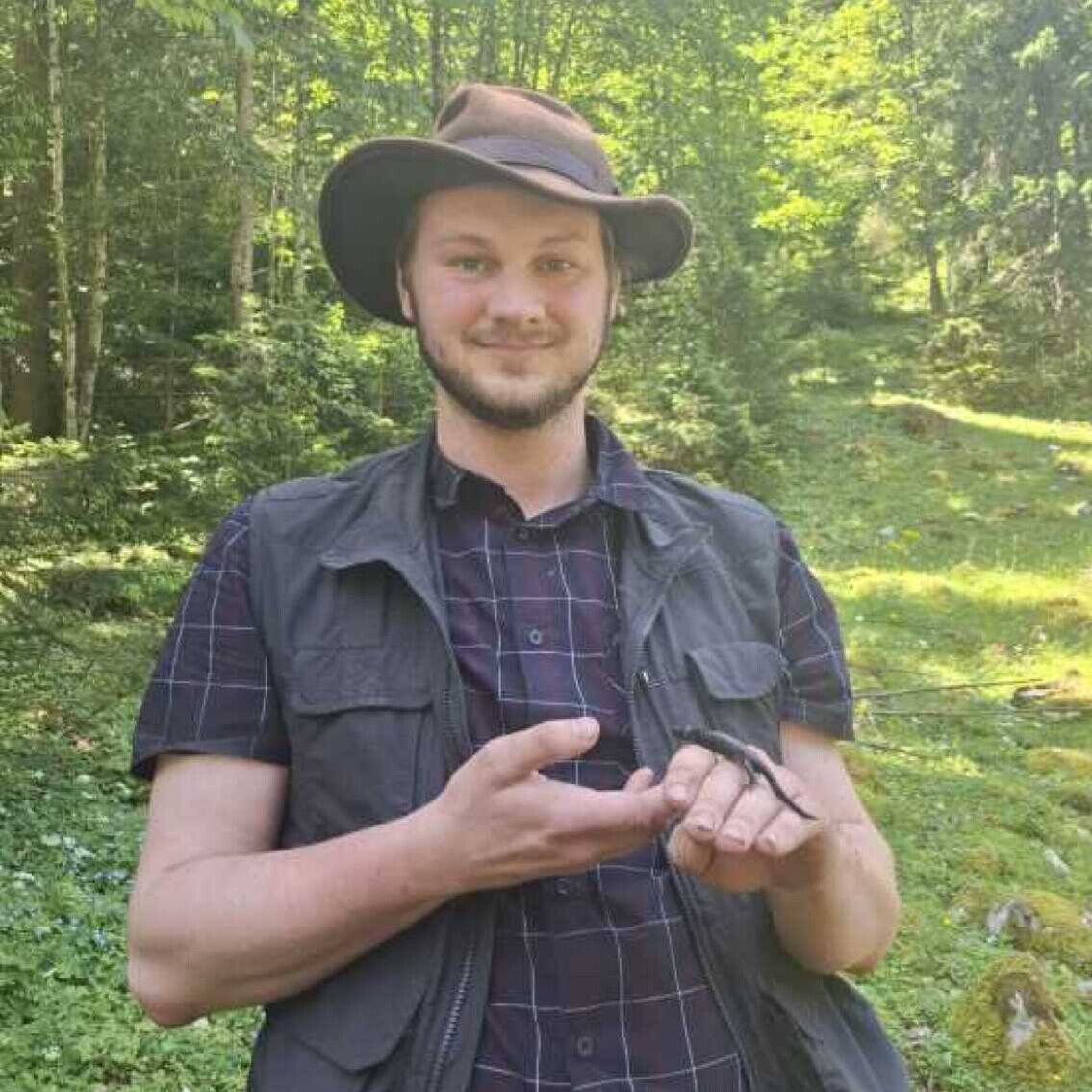

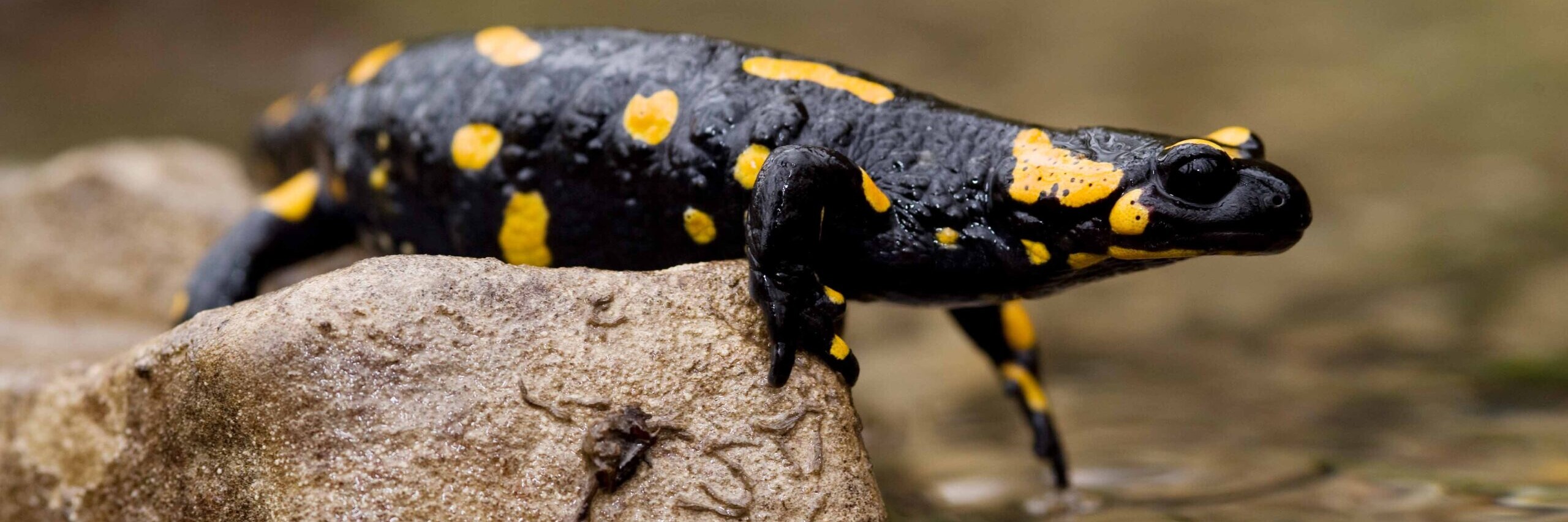

Alpine Salamander Competence Centre in Lower Saxony
Julia Bindl
True crime in the mountains: In autumn 2024, several dozen alpine salamanders were officially confiscated from a private individual’s basement in Germany. They had previously been illegally collected in the Italian Alps.
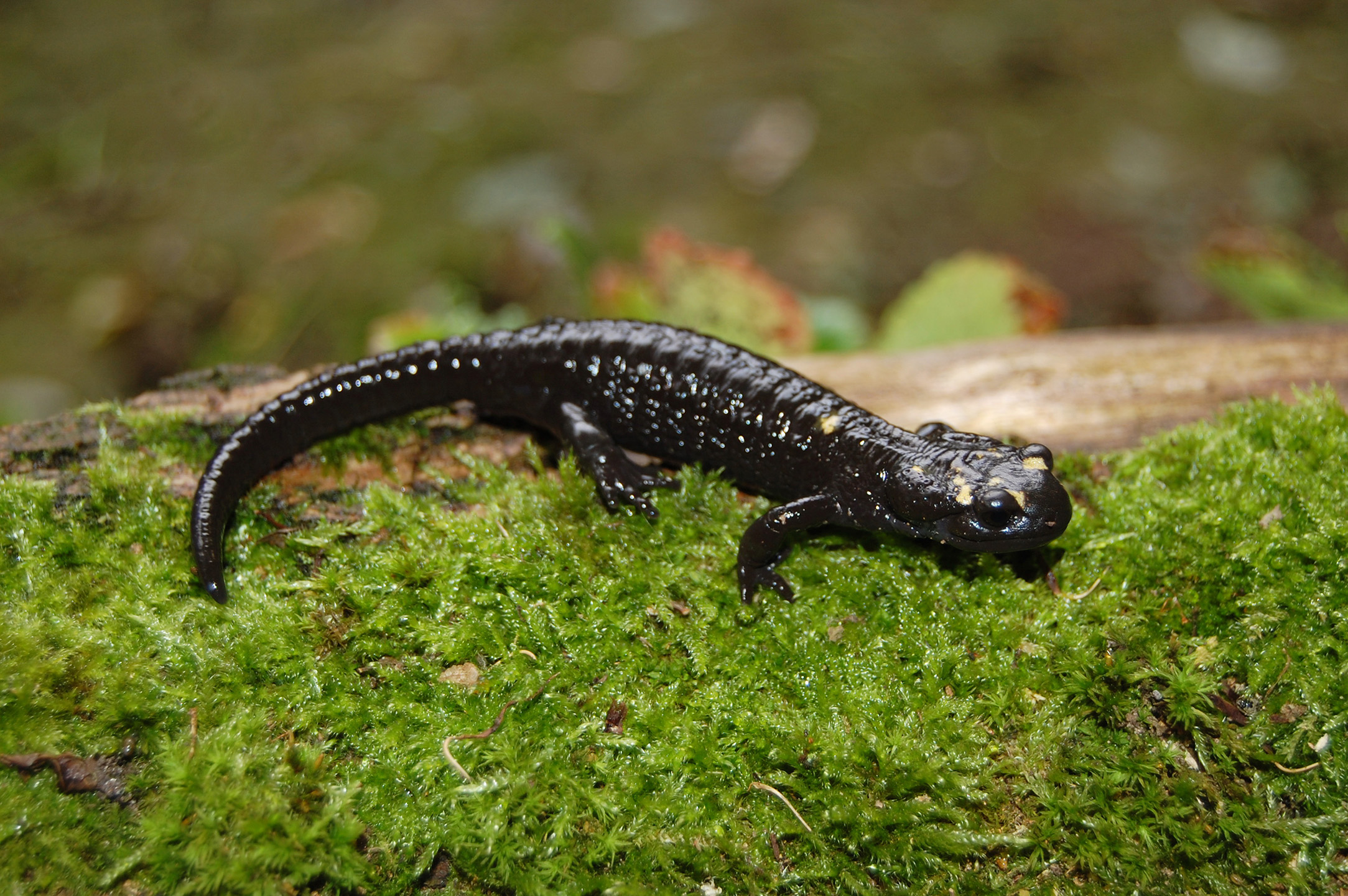
These were three extremely rare and endangered species or subspecies of these amphibians: Lanza’s Alpine Salamander (Salamandra lanzai) is the slightly larger sister species of the more widespread Alpine Salamander (Salamandra atra) and, like the latter, is jet black in colour. The Aurora Alpine Salamander (Salamandra atra aurorae), on the other hand, is only found in a few high valleys in the northern Italian Alps, while the Pasubio Alpine Salamander (Salamandra atra pasubiensis) is found in only a few hundred specimens in a single valley in north-western Italy. Both subspecies still show remnants of the yellow warning colouring that was present in the common ancestor of Fire Salamanders and Alpine Salamanders.
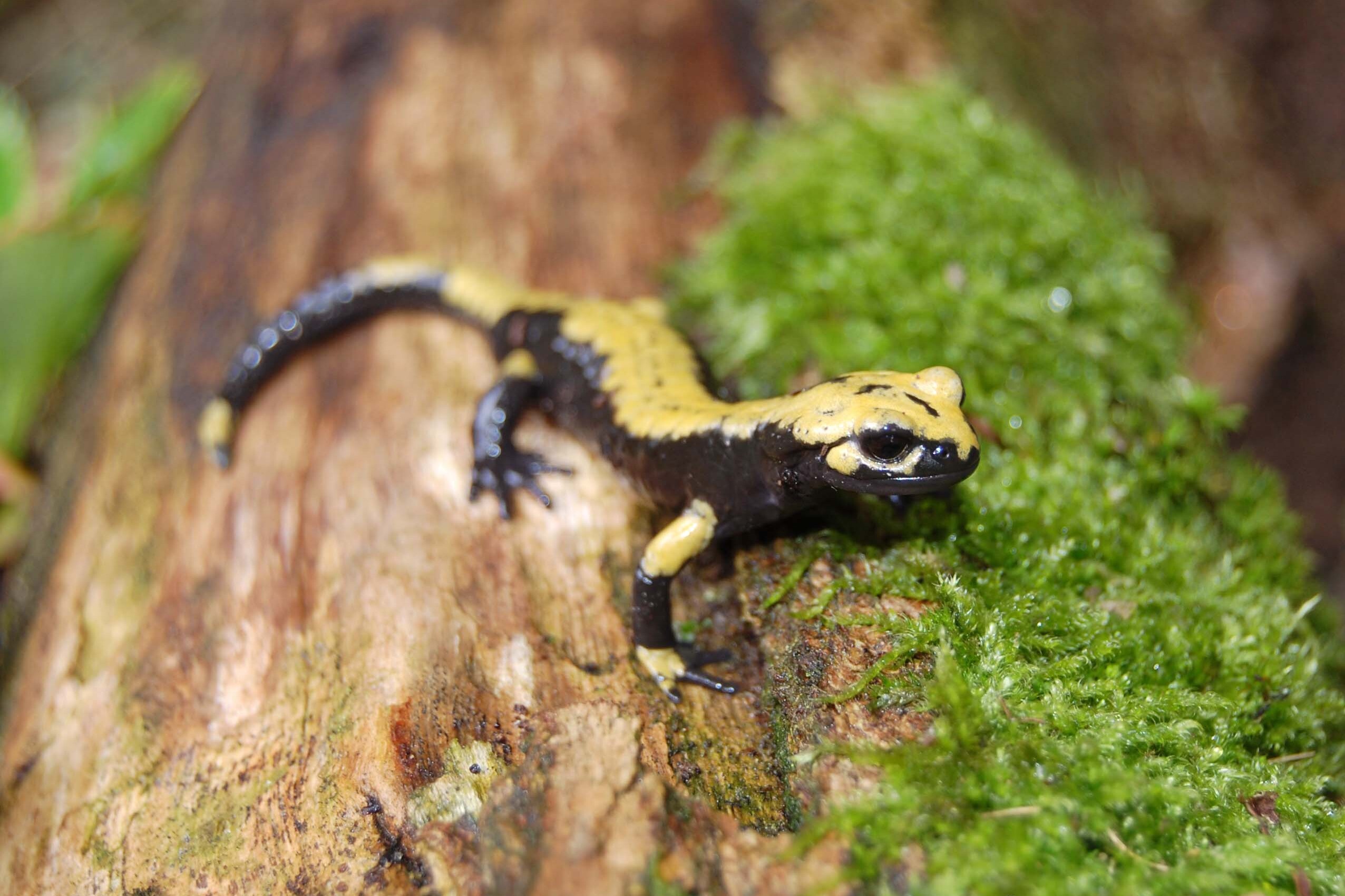
Unlike the evolutionarily younger ‘normal’ Alpine salamander, the Aurora Alpine salamander (Salamandra atra aurorae) has retained remnants of the yellow warning colouring of its ancestors.
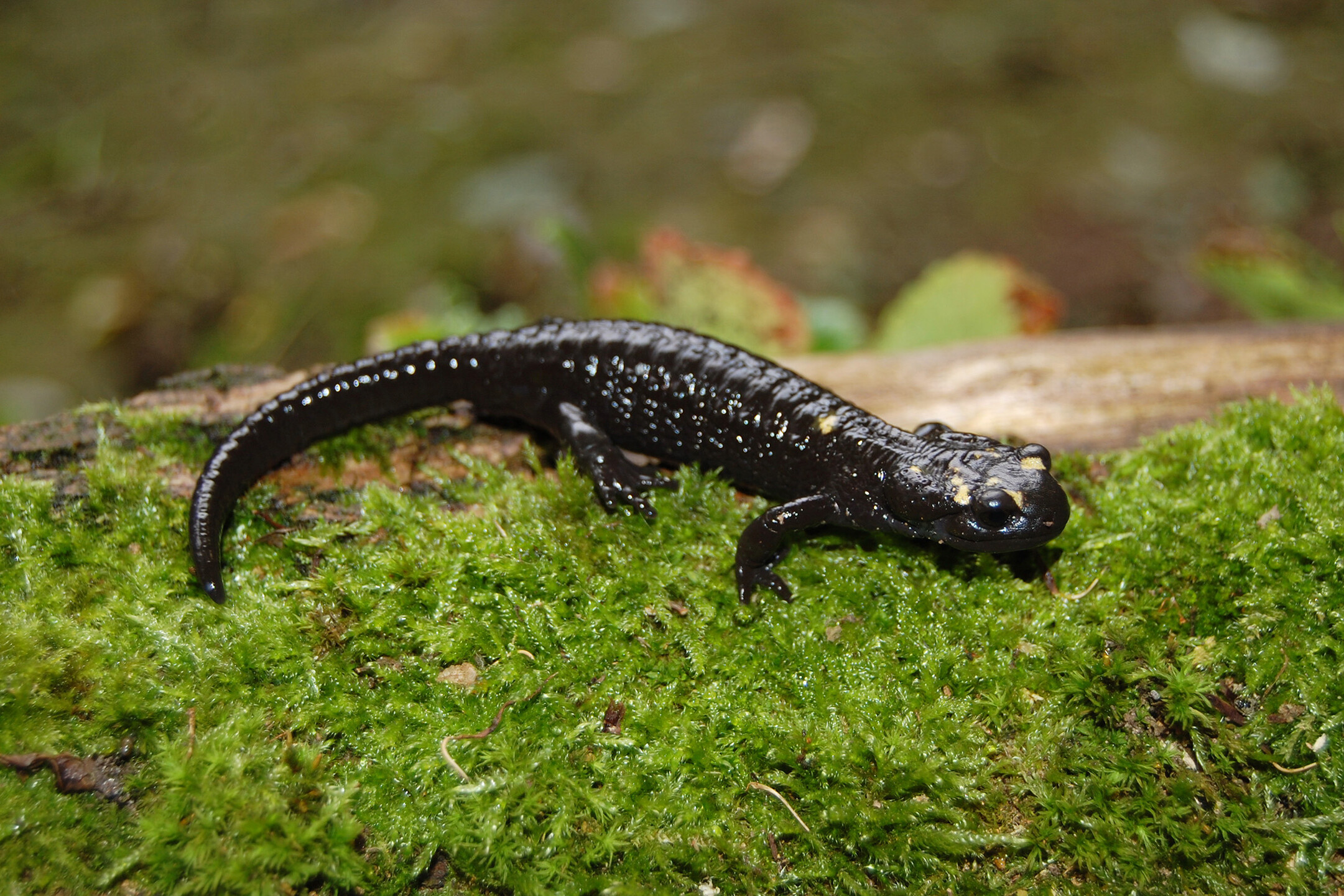
In the case of the even rarer Pasubio Alpine Salamander (Salamandra atra pasubiensis), only a few yellow spots remain.
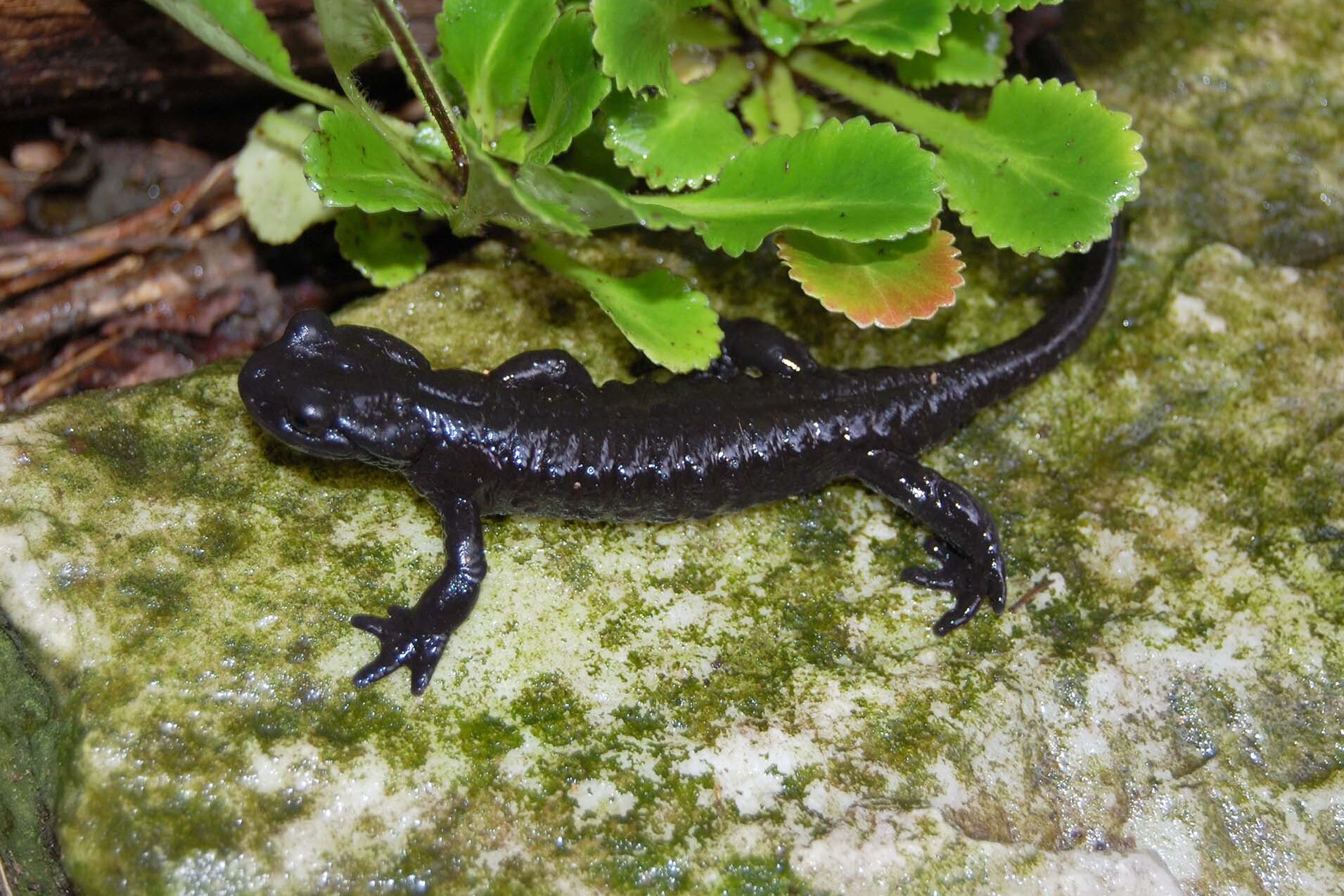
Lanza's Alpine Salamander (Salamandra lanzai) has also fallen victim to poachers.
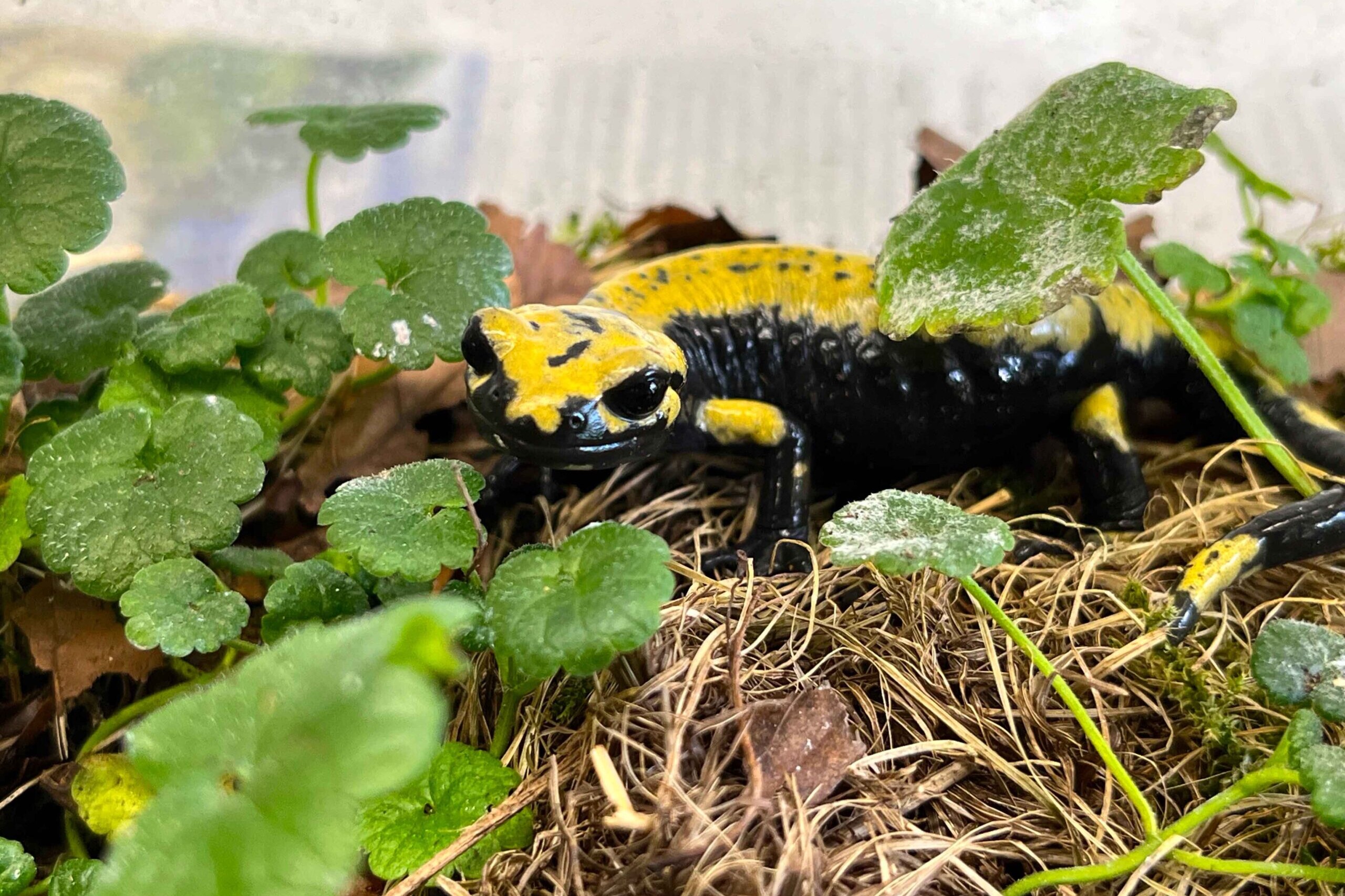
Salamandra atra aurorae
Expert knowledge for species conservation
After the dark basement secret was revealed, Citizen Conservation advisory board member Uwe Seidel, a private terrarium keeper and expert on keeping these amphibians, was asked for advice. He responded immediately and informed Citizen Conservation, the species conservation organisation for conservation breeding and co-founder of Feuersalamander.NET. ‘It was immediately clear to me that these animals are invaluable for species conservation and definitely belong in a protection project,’ says Uwe Seidel.
After consultation with the relevant species conservation authorities, returning them to their original habitat was out of the question for various reasons. At the same time, the situation of these Alpine salamander species is already so precarious that it is urgently necessary to establish a breeding programme in human care in order to preserve them.
Nourish and build up
First of all, however, it was necessary to stabilise the animals, some of which were in very poor health. At the request of the nature conservation authority, Uwe Seidel took on this task. For over half a year, he nursed the animals, which are only 15 cm tall when fully grown, back to health. Meanwhile, CC searched for suitable institutions that were willing and able to provide the necessary facilities and personnel to take on long-term care and conservation breeding. Björn Encke, managing director of Citizen Conservation and Frogs & Friends: ‘The aim was to spread the risk across two locations that were close to Uwe Seidel, because we didn’t want to do without his expertise in salamander care. It was an absolute stroke of luck that
High mountain specialists in the bunker
Alpine Salamanders, which originate from mountainous regions, need cold temperatures. Accordingly, a basement room was prepared at Hanover Zoo – and an entire bunker in Sachsenhagen. Florian Brandes, head of the wildlife and species conservation station, explains, ‘There are a number of old NATO ammunition bunkers on our premises. The temperature in these bunkers remains between 5 and 14 degrees Celsius all year round. These are ideal conditions for Alpine Salamanders, which need a cool environment with a sharp drop in temperature at night, as in the Alps, and also spend a large part of the year in hibernation.’
With financial assistance from Citizen Conservation, a breeding facility was set up in just a few weeks, strictly following Uwe Seidel’s specifications: ‘We know virtually nothing about what Alpine salamanders need to not only stay healthy, but also to mate – so we will probably have to try a few things to achieve success.’
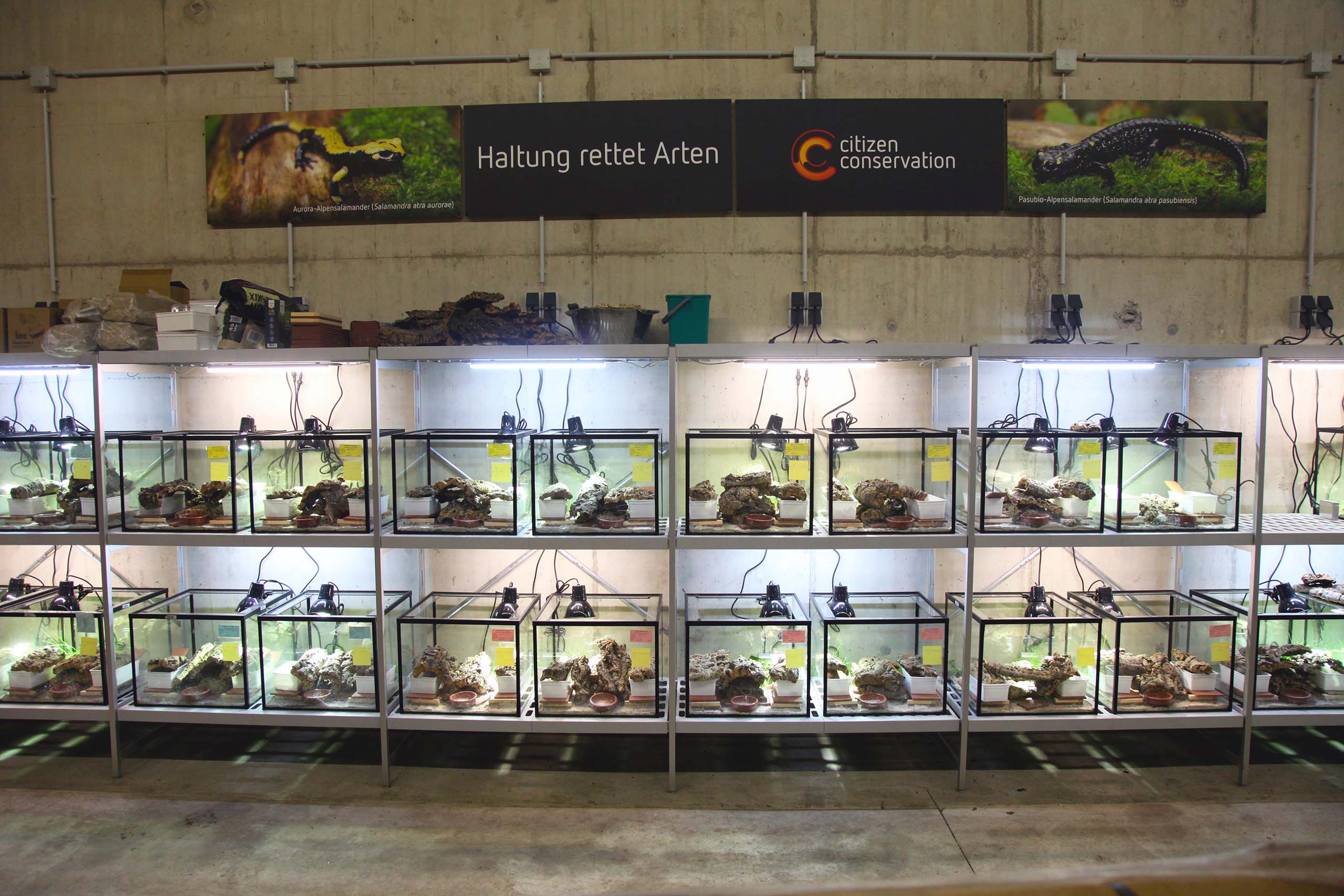
A total of 30 terrariums are located at the wildlife and species conservation station in Sachsenhagen for the preservation of Alpine Salamanders.
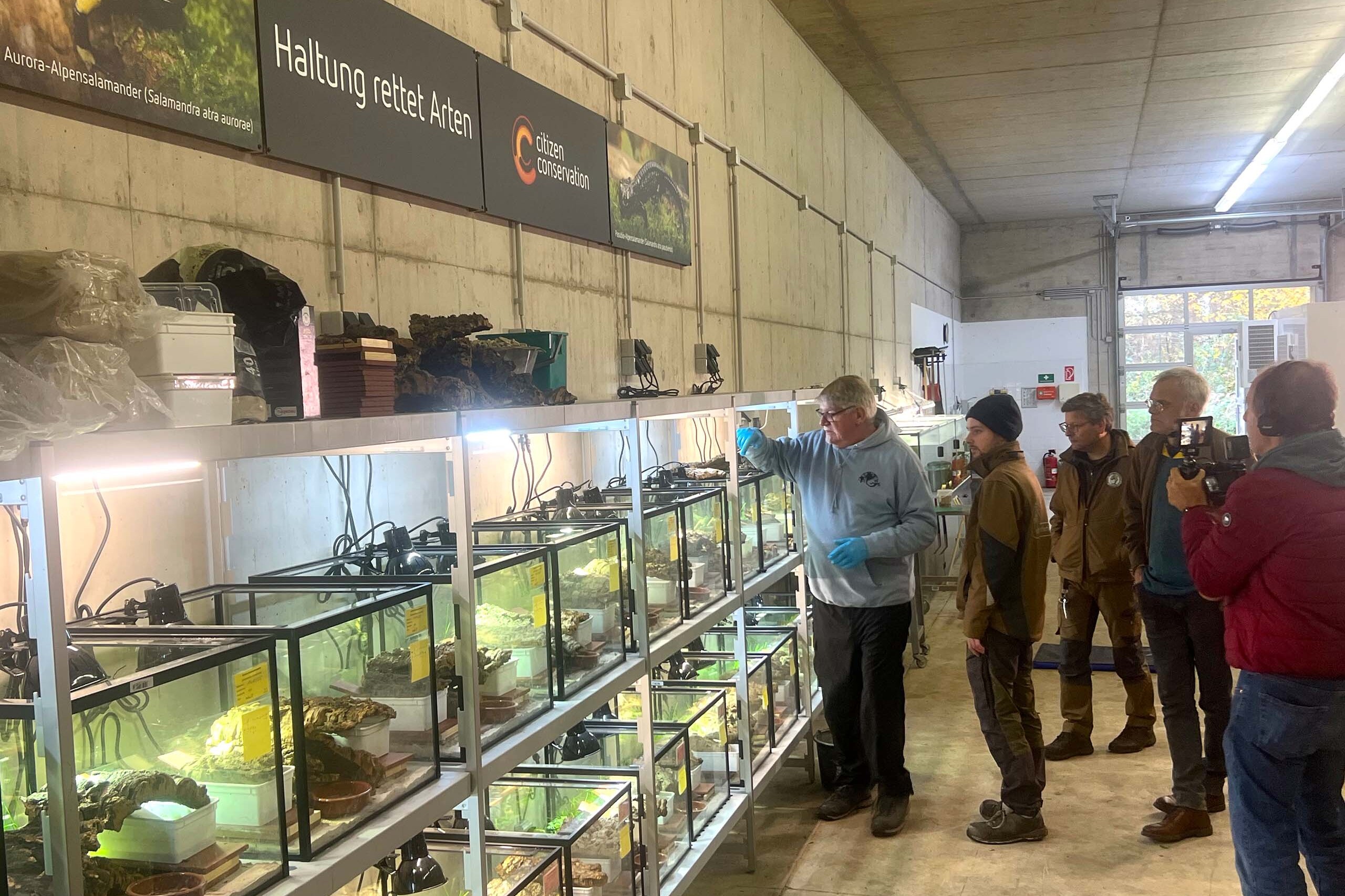
Filming at Sachsenhagen station by Frogs & Friends.
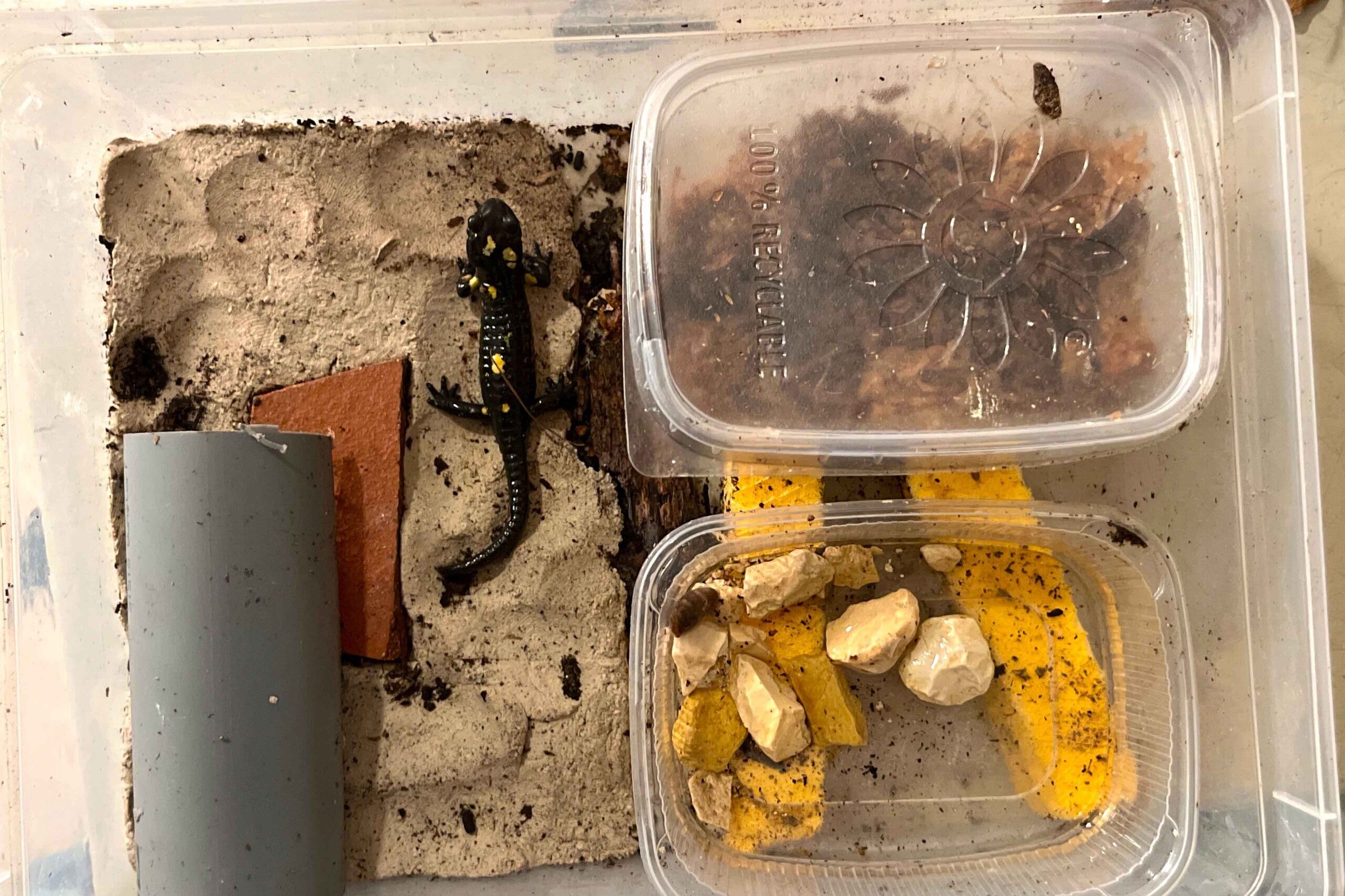
The animals were initially nursed back to health in practical plastic boxes. Here is a Pasubio Alpine Salamander.
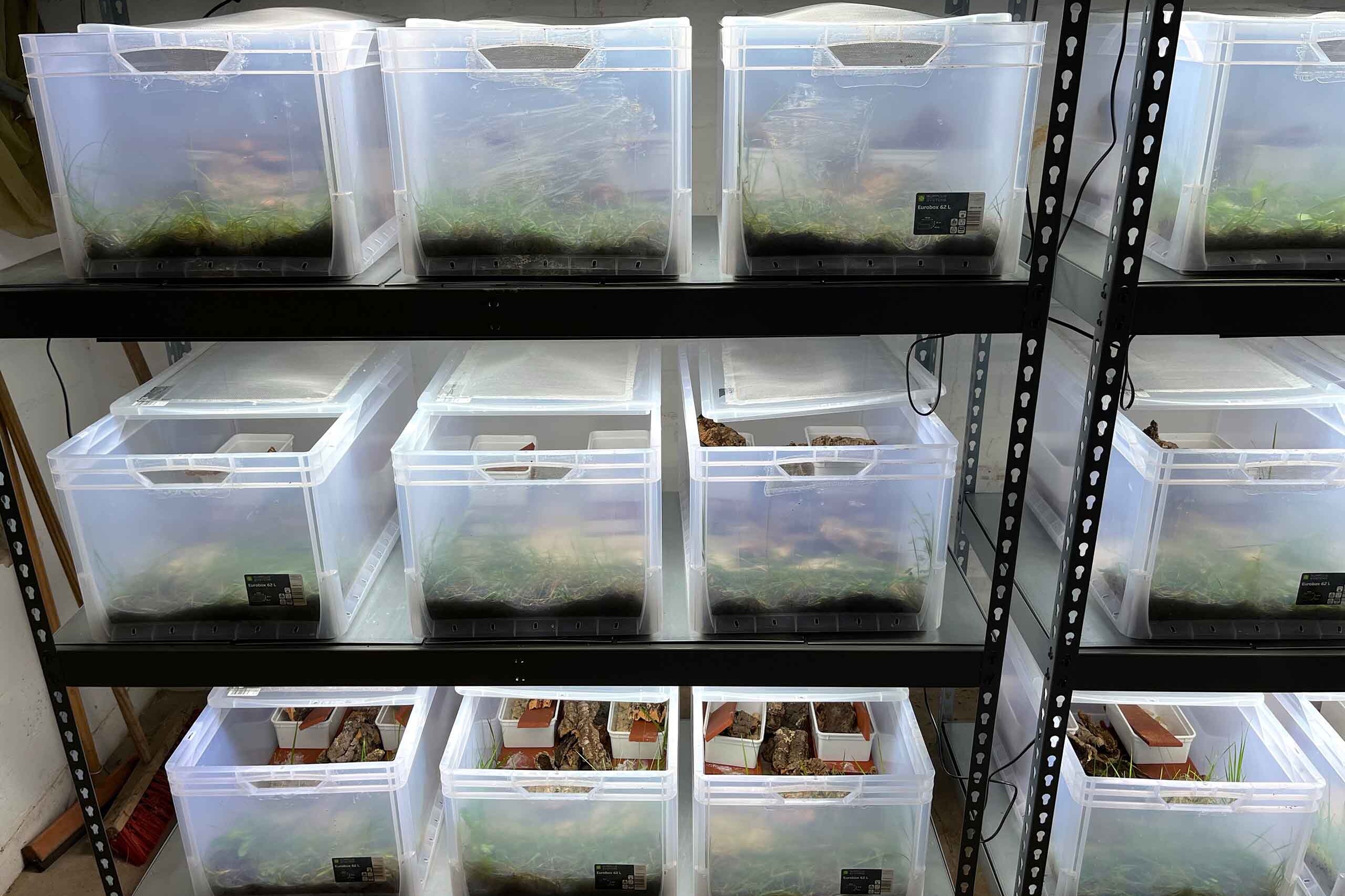
Hannover Adventure Zoo also provides ample space for the conservation of Alpine Salamanders.
Slow reproduction, rapidly growing dangers
Reproduction in Alpine salamanders is extremely lengthy. These amphibians are viviparous. They give birth to only two young every two to four years. The reason for this is the cold climate in their habitat. In the high mountains, temperatures only rise to a level suitable for cold-blooded animals for a few months of the year; the rest of the year they spend in hibernation. This period would not be long enough to lay larvae or even eggs, which then develop in the water. Given these weather conditions, it is therefore better to give birth to only a few young directly in the womb. This highly specialised and time-consuming reproduction makes the Alpine salamander doubly vulnerable. On the one hand, poachers can cause serious damage to the population by collecting even relatively few individuals; on the other hand, this adaptation to the conditions in the high mountains makes them particularly sensitive to climatic fluctuations, such as those expected as a result of climate change. In addition, for several years now, there has been a further threat from the salamander-eating fungus rampant north of the Alps, which is leading to alarming mass deaths in Europe’s Fire Salamander populations. The fungus is also spread via its spores, which can adhere to mud, plants or animals – for example, to the shoes of the very smugglers who illegally hunt amphibians. This particular threat was one of the main reasons why the DGHT designated the Alpine Salamander as the ‘Amphibian of the Year 2026’.
Alpine Salamander Competence Centre at Feuersalamander.NET
This makes research and breeding under controlled conditions all the more important in order to prevent extinction before our very eyes, especially of the two most endangered local endemic species, the Aurora and Pasubio Alpine Salamanders, and the Lanza Alpine Salamander, which is also only found in a small area. This gives us the option of possibly reintroducing animals into suitable habitats at a later date. The Alpine Salamander Competence Centre in Lower Saxony is a first step in this direction.
Feuersalamander.NET, initiated and co-founded by Frogs & Friends 2024, has also been committed from the outset to supporting the protection of the Fire Salamander and the development of ex-situ capacities for its close relative, the Alpine Salamander. The newly established ‘Alpine Salamander Competence Centre’ is an important milestone towards this ambitious goal.
The entire thriller surrounding the poached Alpine Salamanders and the establishment of the competence centre is documented in a film produced by Citizen Conservation, which is now freely available.



light well as a salamander ark
Julia Bindl
The Gymnasium am Waldhof secondary school in Bielefeld is implementing an unusual fire salamander breeding programme – with support from Frogs & Friends and the HIT Environmental Foundation.
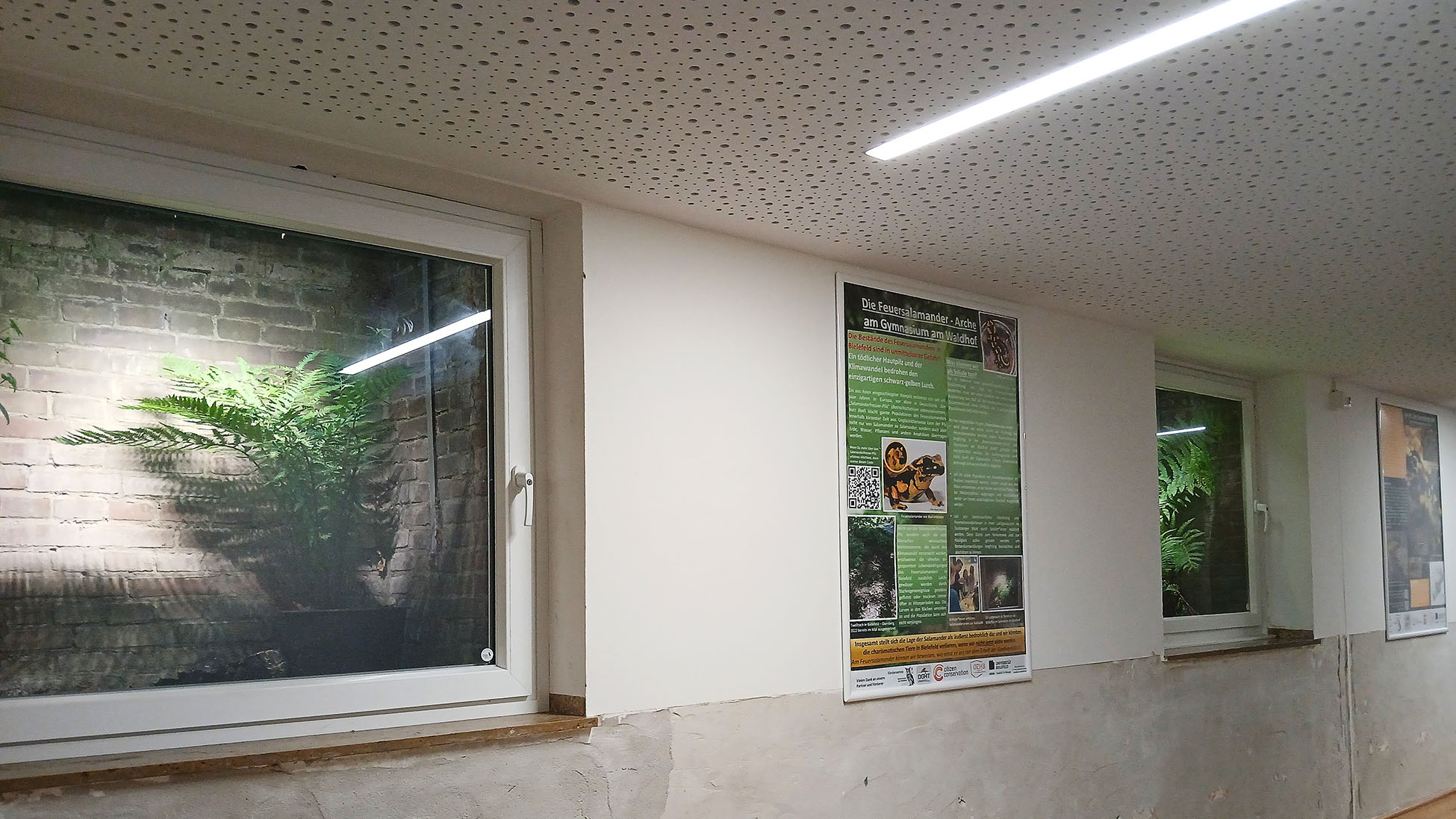
Sebastian Gehring is not only a teacher at the Gymnasium am Waldhof secondary school in Bielefeld, but also a passionate herpetologist and conservationist. While searching for suitable locations to set up a small fire salamander enclosure, he found what he was looking for in the basement of his school building. Looking out of the windows, which strictly speaking serve more for ventilation than lighting in the basement, he realised that these light wells were actually half-finished terrariums for salamanders – all that was needed was some light and suitable furnishings, including drainage to prevent flooding during heavy rain.
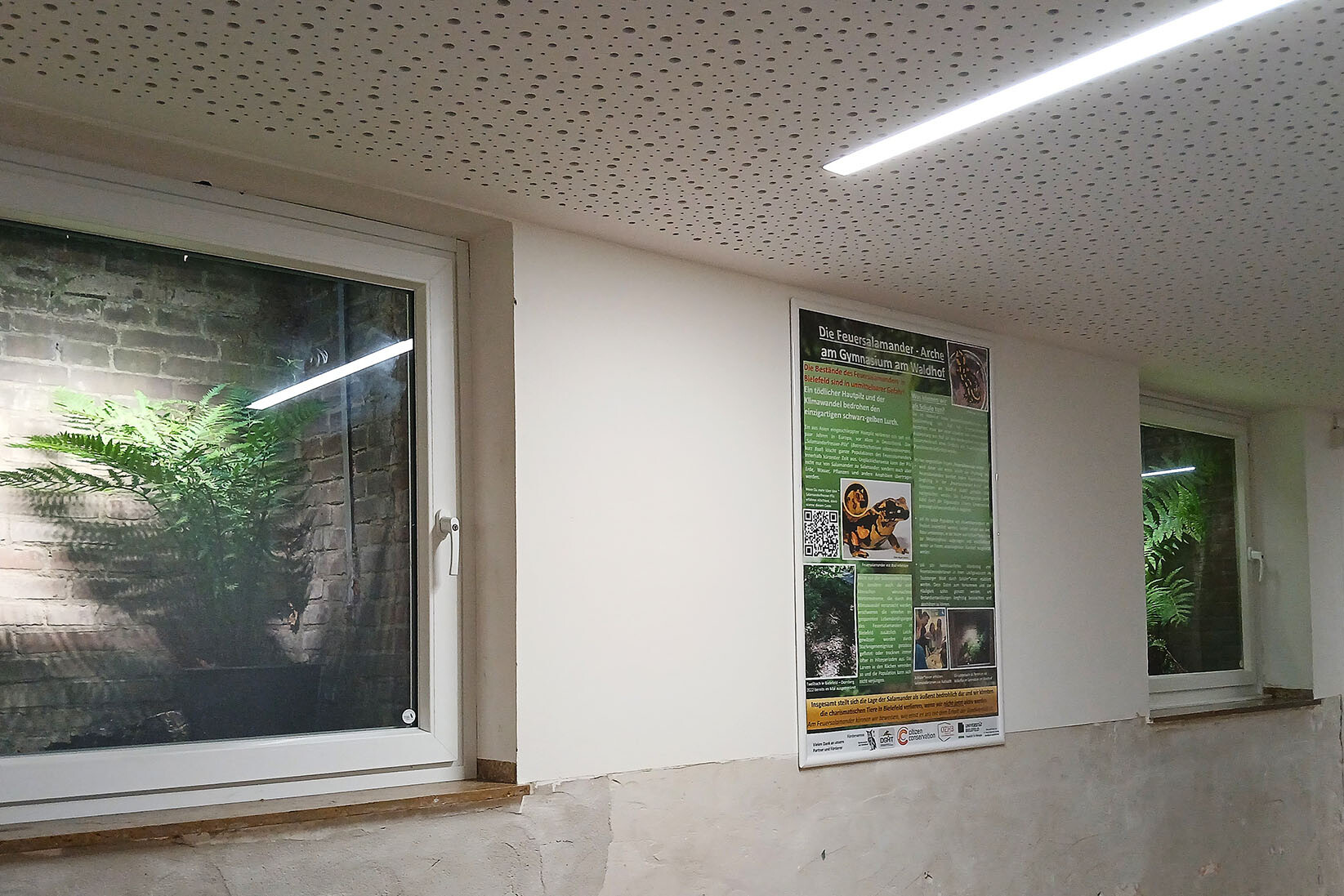
View into the basement hallway with the two converted light wells as a terrarium for Fire Salamanders and corresponding information panels.
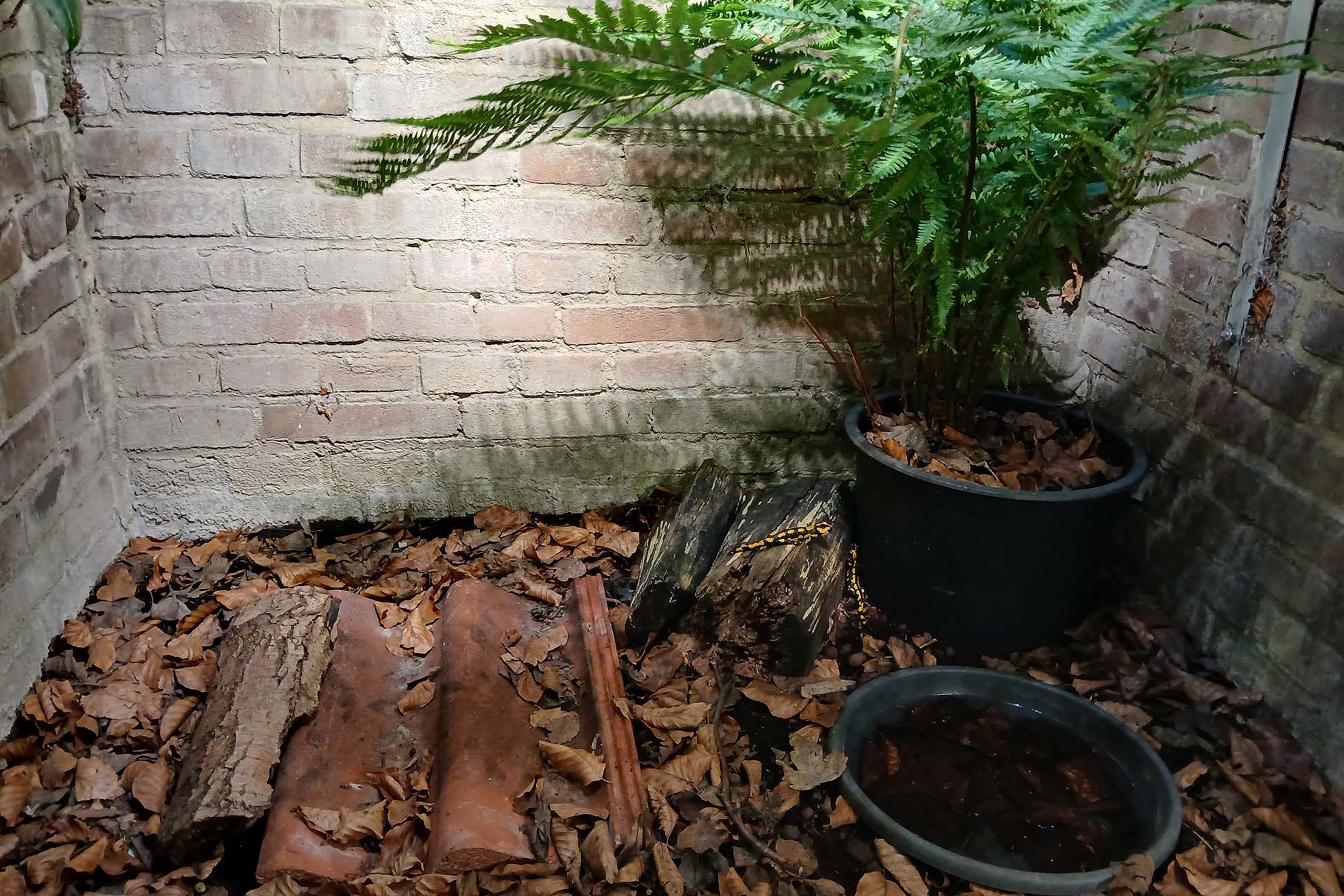
Newly installed light well terrarium for the fire salamanders.
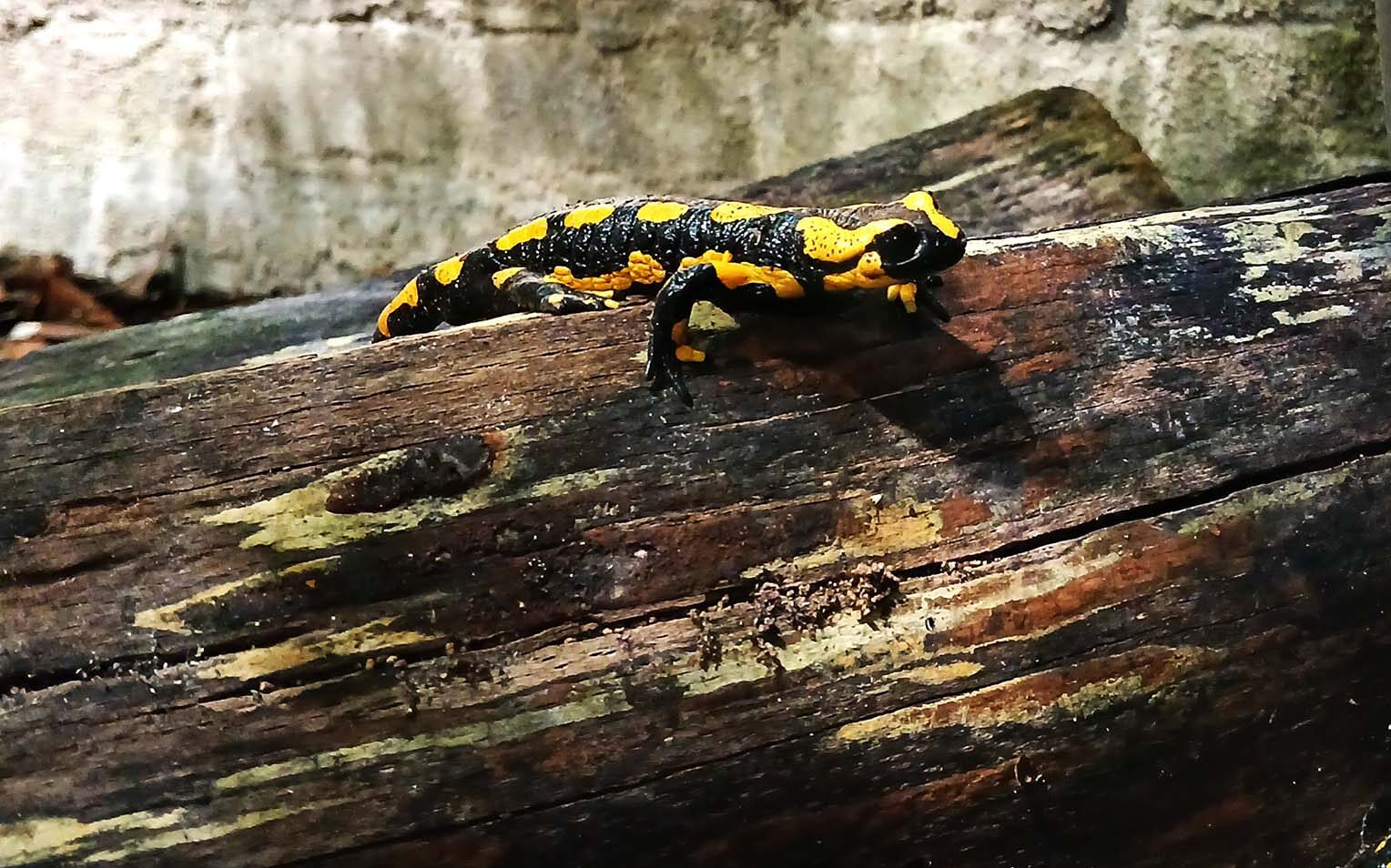
Fire salamanders have the best conditions in terrariums.
In this way, Gehring thought, two display areas could be set up in the corridors of the school’s basement, which are also integrated into the outer wall, and the walls in between could be used to draw attention to the threat to native amphibians and efforts to protect them. Not only was the school management quickly convinced, but
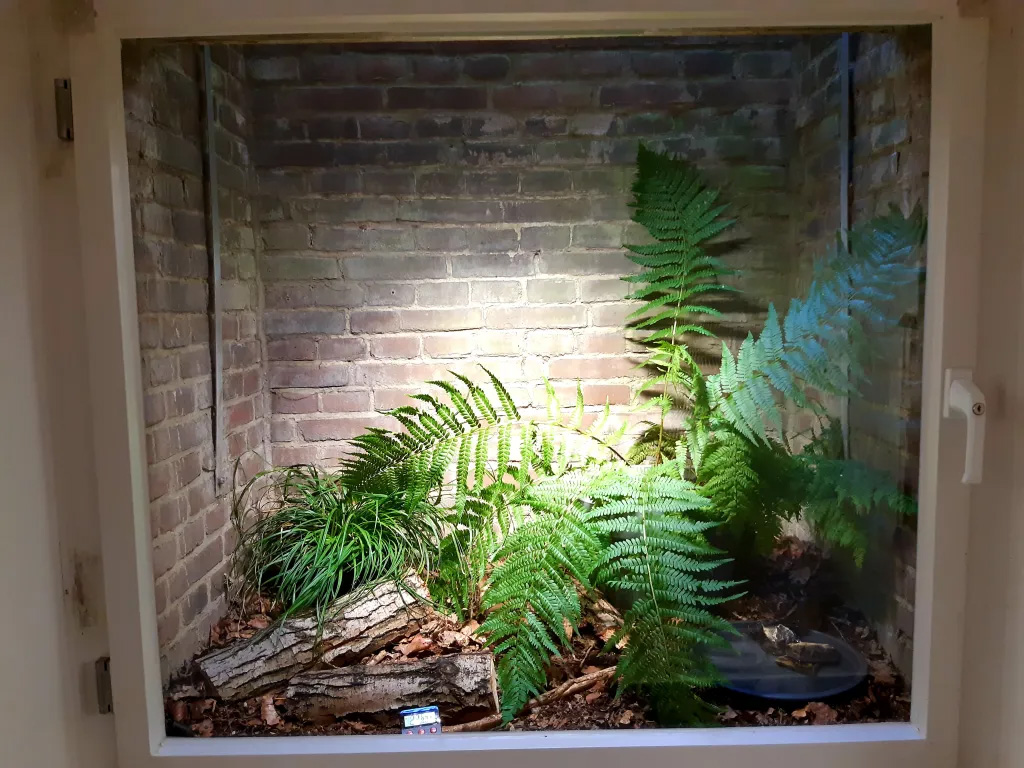
Light well terrarium for fire salamanders, funded by the HIT Environmental Foundation.
This marks the completion of the second school project realised by the HIT Foundation in collaboration with Frogs & Friends under the umbrella term ‘Grassroots Arks’. Previously, support had already been provided for the construction of an outdoor facility at the
We hope that projects such as those in Bielefeld and Dillenburg will literally set a precedent. To this end, it is also important that the people and institutions committed to protecting this species network more closely. This is the most important goal of Feuersalamander.Net. We are grateful to be able to achieve this with such generous partners as the HIT Environmental Foundation and many others.